An Electric Cafe Racer pairs stripped-back styling with quiet acceleration, but the right choice depends on more than appearance. Range, charging time, battery support, fit, and build quality shape everyday ownership. A polished tank line cannot compensate for a seat that becomes uncomfortable after twenty minutes. Small details matter.
The International Energy Agency’s Global EV Outlook 2024 estimated global electric two- and three-wheeler sales at around 10 million in 2023. That figure signals a substantial market, not a guarantee that every model suits every country or rider. Availability, servicing, and replacement batteries can vary sharply between regions. Check the manufacturer’s published specifications, warranty terms, and local dealer support before comparing prices. Claims deserve scrutiny.
This guide presents seven practical buying tips for global buyers, from checking real-world range to assessing brakes, ergonomics, and charging options. Compare quoted range with your likely route, including hills, cold weather, and a passenger. Ask how battery capacity is measured and what support exists after the warranty ends. I would not treat a stylish test ride as enough evidence; one short ride rarely reveals long-term comfort or service quality. That is easy to overlook. Use reliable product documents and independent reviews, then verify details directly with the seller. A little skepticism helps.
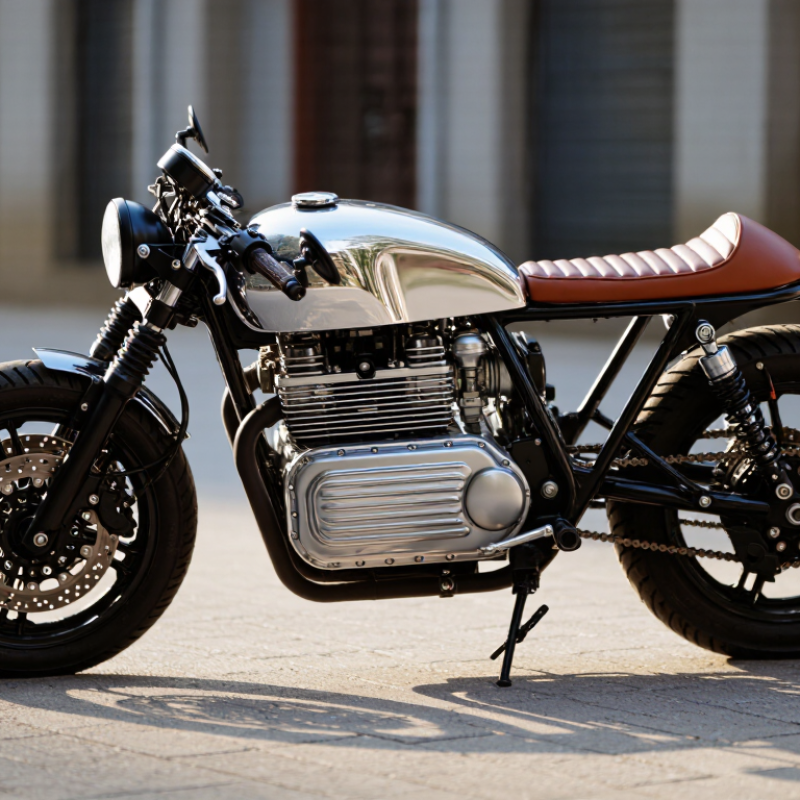
An electric café racer can look ready for every road, but your daily route should shape the shortlist. Note your usual distance, passenger needs, hills, weather, and access to home or workplace charging. The IEA’s Global EV Outlook 2024 estimates that nearly 10 million electric two- and three-wheelers were sold worldwide in 2023. That was about 14% of global sales in those categories. The market is growing, but local parts, servicing, and charging options still vary. Range matters.
Set a realistic budget for the whole purchase, not just the advertised price. Include protective gear, insurance, charging equipment, and routine maintenance. Then compare usable battery capacity, charging time, warranty terms, and range estimates at your likely speed. A 22-kilometre commute with a charging point at work creates different needs from weekend rides on hilly roads. Ask the seller how temperature and higher speeds affect range, and request written specifications. A polished silhouette can conceal a firm seat or cramped foot position. Take a test ride if possible; short rides can still miss discomfort. My own shortlist would remain imperfect without checking service access near home. Measure twice.
| Tip | What to Assess | Questions to Ask | Practical Guidance | Typical Figures and Notes |
|---|---|---|---|---|
| 1. Define your riding needs | Daily distance, passenger needs, road type, and riding frequency. | Will you ride mostly in town, on faster roads, or on mixed routes? Will you carry a passenger or luggage? | Write down your usual trip length and the longest trip you expect to make. Check local licensing and road-access rules before comparing performance. | For a practical range estimate, allow for speed, hills, temperature, rider weight, and battery ageing; real-world range is often lower than a test-cycle figure. |
| 2. Match range to intended use | Usable battery capacity, expected range, and access to charging. | Can you recharge at home or work? Is there a dependable charging point along longer routes? | Choose a model that covers your routine round trip with a reserve. Ask whether the published range is measured under a named test cycle and whether it reflects city or mixed riding. | Many electric motorcycles have battery capacities of roughly 3–10 kWh, but range varies substantially with vehicle design and riding conditions. |
| 3. Set a complete budget | Purchase price plus charging, insurance, registration, maintenance, and protective gear. | What is your maximum purchase budget, and what recurring costs or import charges apply in your country? | Compare the total cost of ownership rather than the advertised price alone. Check local taxes, duties, incentives, warranty coverage, and the cost of replacing a battery if applicable. | Prices vary widely by market, battery size, and performance. Obtain a local, itemised quote and verify whether delivery, taxes, and registration are included. |
| 4. Check charging compatibility | Charger type, charging time, plug standard, and household electrical supply. | Does the supplied charger match your local voltage, frequency, outlet, and plug? Can the battery be charged off the motorcycle? | Confirm the charger’s input specifications and the exact connector before purchase. Use a properly rated outlet and follow the manufacturer’s charging instructions. | Charging time depends on battery capacity and charger output. A rough estimate is battery capacity in kWh divided by charger power in kW, with extra time for charging losses and charge taper. |
| 5. Evaluate comfort and fit | Seat height, riding posture, weight, suspension, and passenger accommodation. | Can you place your feet securely at a stop? Is the reach to the bars comfortable for your typical trip length? | Test-ride the motorcycle if possible, wearing your usual riding gear. Check turning effort, low-speed balance, seat comfort, and whether the riding position suits your body. | Seat height and vehicle weight differ considerably across models; published specifications do not replace an in-person fit check. |
| 6. Verify performance and safety | Motor output, speed capability, brakes, tyres, lighting, and rider-assistance features. | Is the motorcycle legally classified for your licence? Are its brakes and tyres suitable for your roads and expected speeds? | Check the rated continuous power as well as peak output, and verify local rules for registration, insurance, helmets, and road use. Look for clear information about braking systems and replacement parts. | Power and top-speed limits can affect vehicle classification and licence requirements. Regulations differ by country and sometimes by region. |
| 7. Confirm support and ownership terms | Warranty, battery coverage, service access, parts availability, and resale considerations. | Who provides service in your area? What exactly is covered, for how long, and are there mileage or battery-capacity conditions? | Read the warranty in full, including exclusions and claim procedures. Ask about battery diagnostics, repair options, software support, and the availability of wear parts such as tyres and brake pads. | Warranty periods and battery coverage vary. Get the terms in writing and confirm that support remains valid if the motorcycle is imported or moved across borders. |
Start with your usual distance, hills, weather, and passenger needs. Check charging access at home or work. A short commute and weekend rides need different setups.
Include the bike, protective gear, insurance, charging equipment, and routine maintenance. The advertised price is only part of the cost. Leave room for surprises.
Ask about usable battery capacity and the conditions behind the range estimate. Cold mornings, hills, and higher speeds can reduce distance. Keep a reserve for detours.
Compare rated power, peak power, torque, and bike weight. Sustained output matters on long climbs. Numbers can mislead.
Confirm the charger matches your local voltage, frequency, outlet, and connector. Ask about typical charging time and battery limits. A plug adapter cannot fix electrical incompatibility.
Notice wrist pressure, knee room, seat comfort, and low-speed balance. Check whether both feet feel secure at stops. Short rides can miss discomfort.
Look at the brakes, tires, lights, suspension, frame, and weather seals. Check welds, fasteners, and cable routing. A polished finish proves little.
Ask about service intervals, written warranty terms, and replacement-part availability. Check for a nearby service option before buying. I might still overlook something; access matters.
Choosing an Electric Cafe Racer starts with understanding how and where you plan to ride. Consider your daily distance, road conditions, passenger needs, and preferred riding style, then set a realistic budget that includes more than the purchase price. Before buying, confirm that the model can be registered and used in your location, and check applicable licensing, import, and documentation requirements.
Compare motor output, estimated battery range, charging time, and compatibility with the charging standards available to you. Assess the bike’s fit, comfort, brakes, tires, suspension, lighting, and overall construction to make sure it suits your needs. Finally, review the warranty terms, local access to replacement parts and service, shipping arrangements, and any taxes or delivery charges. Looking at these factors together can help you make a practical, well-informed choice.