0%

Choosing Australian Electric Motorbikes is less about chasing the biggest battery or sharpest acceleration. It is about how the bike fits your real week. Australian engineer and electrification advocate Saul Griffith offers a useful practical lens: think about how electric transport serves everyday journeys. A buyer’s version of that idea is, “Choose for the journeys you really make.” This is an editorial paraphrase, not a verbatim quotation from Griffith.

Start with your usual route. Picture the climb near home, the slower traffic at school pickup, and the charging socket in your garage. Check the manufacturer’s range claims against your distance, speed, passenger needs, and likely weather. A short commute may suit a lighter model. Longer rides call for closer attention to usable range, charging time, and dealer support. Details matter.

Compare total ownership, not just the sticker price. Ask about battery warranty, replacement costs, servicing, parts availability, and what happens if the nearest workshop is several towns away. Sit on the bike. Check the weight while stationary, the reach to the controls, and whether storage suits your helmet or daily bag. Numbers cannot tell you everything.

There are trade-offs. A longer range can mean extra weight or cost, and home charging may not suit every rider. Be honest about that. This guide will help readers compare motor types, batteries, safety features, running costs, and local support. Its aim is practical, not perfect: the right bike is the one you can charge, maintain, and confidently ride.
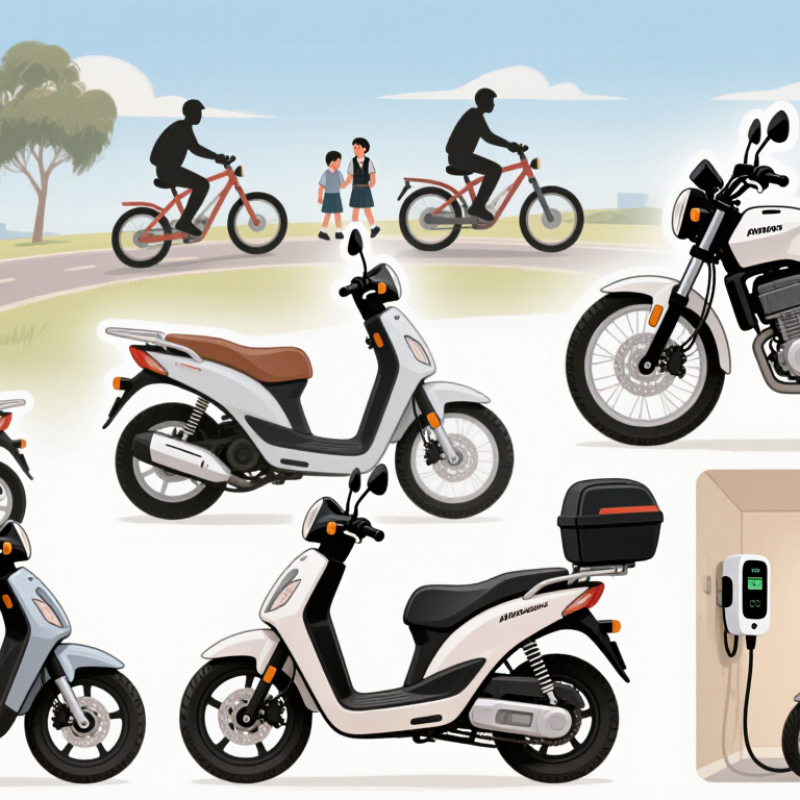
How to Choose Australian Electric Motorbikes

Understanding Electric Motorbike Types and Australian Classifications

Choosing an electric motorbike starts with identifying its Australian vehicle class. A road-registered electric motorcycle is not simply a powerful e-bike. Under the Australian Design Rules, two-wheeled mopeds fall into category L1, while conventional two-wheeled motorcycles fall into L3. Classification depends on the vehicle’s certified design and specifications, not its styling alone. The distinction matters.

Riders will encounter scooter-style commuters, standard road bikes, dual-purpose models, and off-road machines. These describe how a motorbike is built and used; they do not replace its official classification. Registration and licence requirements can vary between states and territories. Off-road models may not be approved for public-road use. Check the compliance plate and local transport authority guidance before comparing vehicles. The boundary can feel blurry.

The International Energy Agency’s Global EV Outlook 2024 estimates that roughly 10 million electric two- and three-wheelers were sold worldwide in 2023. That number is global, not an Australian sales forecast. It does show why clear categories matter as electric options expand. When assessing a model, compare its certified category, intended terrain, range, and charging needs. A long advertised range may be less useful on a cold, hilly commute. Check the assumptions behind the figures.

Identifying Your Riding Needs and Typical Routes

Start with your regular route, not the motorbike’s advertised top speed. A weekday trip through Sydney traffic may involve tight parking, frequent stops, and short stretches between lights. Lots of stops. In dense traffic, manageable weight and smooth low-speed control can matter more than high speed. Map the full return journey, including hills and likely detours. Real conditions vary. Wind, rider weight, temperature, and speed can all affect battery range, so treat published figures as estimates. A test ride on familiar streets can reveal seat pressure, mirror visibility, and how the bike feels at traffic lights.

For regional trips, check the distance between reliable charging options before setting out. Services may be far apart on some routes, and a convenient map pin does not guarantee a usable charger. I would not trust one range estimate; headwinds or faster roads can change the result. If your route includes gravel, steep driveways, or rough rural roads, check that the bike is suited to those surfaces. Also consider what you carry: a laptop, groceries, or a passenger can affect balance and energy use. A route that looks easy on a screen may feel tiring after an hour, so give comfort and charging access equal weight.

Comparing Range, Battery, Power, and Charging Options

How to Choose Australian Electric Motorbikes

A claimed range is a test figure, not a promise. Wind, hills, rider weight, and steady highway speeds can reduce real-world distance. Map your regular commute, including a return trip, and keep a buffer for detours or battery ageing. Small details matter. Compare battery capacity in kilowatt-hours, but also check whether the battery is removable and how much it weighs. A larger battery may extend range, yet it can add cost and bulk. I would not choose on capacity alone; the figures rarely capture every local riding condition.

Power affects more than top speed. Motor output and torque shape acceleration at traffic lights and confidence on steep streets. Consider the bike’s performance with your usual load, not just a solo test ride. Charging needs equal attention. Check the charger’s stated charging time, the outlet requirements, and whether the battery can be charged where you park. A standard household outlet may suit some setups, but charging times vary with battery size and charger output. If you rent or park outdoors, access can be the deciding factor. It is easy to focus on range and overlook this everyday inconvenience.

Checking Australian Licensing, Registration, and Safety Requirements

Before buying an electric motorbike, check how your state or territory classifies it. Road-legal motorcycles generally need registration and a motorcycle licence; a car licence alone may not be enough. Requirements can depend on the bike’s approved specifications, so verify its status with your local transport authority. Don’t rely only on a seller’s assurance. Ask for the vehicle identification details and evidence that it meets Australian Design Rules. If the paperwork is unclear, pause and confirm it before paying.

Registration usually involves meeting local requirements and holding compulsory third-party insurance, though the process varies across Australia. Check whether the bike can be registered for public-road use, and whether your licence class or learner restrictions apply. Imported or modified models may need additional checks. Small details matter. A matching identification number can save trouble later.

Safety deserves a close look, even on a short test ride. Inspect the tyres for cracks, test the brakes, and check that the headlight, indicators, and brake light work. Look for loose panels or exposed wiring around the battery. Wear an approved motorcycle helmet that meets your jurisdiction’s rules, plus gloves and protective clothing. Electric bikes can feel quiet and quick; that combination takes adjustment. I’d also ask a qualified mechanic to inspect an unfamiliar model, because a clean appearance tells you very little about its condition.

Evaluating Dealers, Warranty, Service, and Total Ownership Costs

How to Choose Australian Electric Motorbikes

A dealer’s support can matter as much as the motorbike itself. Ask who performs repairs, where the workshop is, and how long common parts usually take to arrive. In regional areas, a distant service centre may mean extra transport costs and days without a bike. Arrange a test ride on roads similar to your commute. Check how the bike feels at low speed, and whether its weight is manageable when parked on a sloping driveway.

Read the warranty before comparing headline coverage periods. Check what it says about battery capacity, charging equipment, labour, and wear items. Ask what evidence is needed if a claim arises. Get the answers in writing. A friendly verbal promise is easy to forget, and I still find warranty wording surprisingly easy to skim. That matters.

Estimate total ownership costs over several years, not just the purchase price. Include charging, insurance, registration, tyres, brake maintenance, scheduled inspections, and possible finance charges. Ask the dealer for a service schedule with realistic labour estimates. Then compare charging costs using your actual electricity tariff and weekly distance. Keep the paperwork. One overlooked cost can change the calculation, especially if a workshop is far away or parts take longer than expected. My estimates are never perfect; leave room for that.

How to Choose an Australian Electric Motorbike

Compare energy costs, then assess the dealer, warranty, servicing and other ownership costs.

Estimated energy cost per 100 km (AUD): The electric estimate uses 4 kWh/100 km at $0.30/kWh ($1.20); the petrol estimate uses 3.5 L/100 km at $2.00/L ($7.00). These are transparent example assumptions, not current-price or model-specific quotes. For total ownership cost, also compare the dealer’s written warranty terms, service access and pricing, insurance, registration, charging needs and any battery-related conditions.

FAQS

How can I tell whether an electric motorbike is a moped or motorcycle?

Check its certified category and compliance plate, not its styling. L1 generally covers two-wheeled mopeds; L3 covers conventional motorcycles. Confirm local requirements.

What should I consider for a daily commute?

Think about traffic, parking, hills, and frequent stops. Lots of stops. A manageable weight and smooth low-speed control may matter more than top speed.

How can I estimate whether the battery range will suit my route?

Map the full return trip, including hills and detours. Wind, temperature, speed, and rider weight can reduce range. Published figures are estimates.

What should I check before taking a regional trip?

Check dependable charging options along the route. A map pin does not guarantee a usable charger. Headwinds and faster roads can change the plan.

Do electric motorbikes need registration and a motorcycle licence?

Road-legal motorcycles generally require registration and a motorcycle licence. Rules vary by state or territory, so confirm the model’s approved status locally.

What paperwork should I review before buying?

Ask for vehicle identification details and evidence of compliance with Australian Design Rules. Check that identification numbers match. Small details matter.

What should I inspect during a test ride?

Check tyre condition, brakes, lights, mirrors, seat comfort, and low-speed handling. Look for loose panels or exposed battery wiring. A clean exterior proves little.

What safety gear and extra checks are sensible?

Wear a helmet that meets local requirements, plus gloves and protective clothing. Consider asking a qualified mechanic to inspect an unfamiliar model. I would not skip that step.

Conclusion

Choosing Australian Electric Motorbikes starts with understanding the different vehicle types and how they may be classified in Australia. Consider where and how you plan to ride, including your usual routes, traffic conditions, hills, and access to charging. These needs will help you compare practical range, battery capacity, motor power, charging time, and the convenience of charging at home or along your regular journeys.

Before buying, check the licensing, registration, and safety requirements that apply to the specific model and where you intend to ride. Compare dealers’ support, warranty coverage, servicing arrangements, and replacement battery costs, not just the initial purchase price. Taking these factors together can help you choose a motorbike that suits your daily use, fits your budget, and is practical to own over time.


Alden

Alden

Alden is a professional marketing specialist with a deep understanding of the company’s products, their practical applications, and the needs of the customers they serve. Through his regular contributions to the company website, he turns detailed product knowledge into clear, useful blog articles......