The 2026 market for Regenerative Braking System technology is becoming more competitive, measurable, and difficult to judge by brand recognition alone. Electric vehicles now demand braking systems that recover energy smoothly, protect battery life, and maintain predictable pedal response. A vehicle descending a wet mountain road reveals more than a laboratory chart. It tests calibration, thermal control, software integration, and driver confidence.
Dr. Ali Emadi, a leading electric-vehicle researcher, offers a useful reminder: “Regenerative braking must be treated as part of the whole vehicle system.” This principle shapes our review of the leading manufacturers. Bosch, ZF, Continental, Hitachi Astemo, BorgWarner, DENSO, Hyundai Mobis, Aisin, Schaeffler, and Magna each bring different strengths. Some focus on integrated e-axles. Others emphasize inverter efficiency, brake-by-wire control, or scalable platforms for hybrid and battery-electric vehicles. Their positions also depend on production capacity, regional partnerships, testing evidence, and long-term reliability.
This ranking is not absolute. It should not be. Manufacturer performance can vary across vehicle classes, battery chemistries, road conditions, and software versions. A supplier may lead in passenger cars but perform less strongly in commercial vehicles. Cost, service support, cybersecurity, and regulatory readiness also deserve attention. The following outline examines these companies through engineering capability, market reach, product maturity, and practical performance. It also considers a less comfortable question: does higher energy recovery always create a better driving experience? Sometimes, the answer remains unclear.
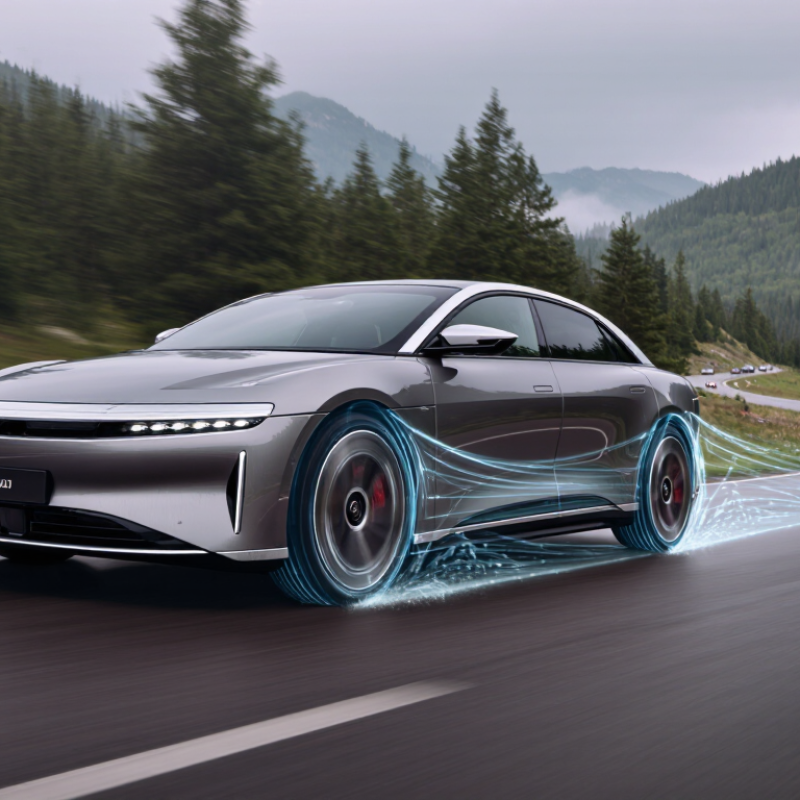
What Is a Regenerative Braking System?
2026 Top Regenerative Braking System Manufacturers?
A regenerative braking system recovers part of a vehicle’s motion energy. When the driver releases the accelerator, the electric motor changes operating direction. It works like a generator. Kinetic energy becomes electrical energy and returns to the battery. Friction brakes still handle stopping when stronger braking is needed.
The system feels most useful in city traffic. Frequent stops create repeated opportunities for energy recovery. A control unit blends motor braking with hydraulic or friction braking. It considers vehicle speed, battery temperature, charge level, and road grip. The brake pedal may feel slightly different. That matters during low-speed parking or emergency stops.
Regeneration cannot recover all lost energy. Electrical resistance, tire contact, and drivetrain friction reduce the final gain. A cold or nearly full battery may accept less energy. Wet roads can also limit motor braking when traction is weak. It is tempting to call regenerative braking free energy, but that description is inaccurate. Energy still disappears as heat and resistance. I would not judge performance from a dashboard graphic alone. Technicians should compare diagnostic data, battery condition, brake response, and real driving conditions. The system is efficient, but not perfect.
How Regenerative Braking Systems Work
Regenerative braking systems recover part of a vehicle’s motion energy during deceleration. Instead of wasting all that energy as heat, the electric motor works as a generator. The wheels drive the motor. Electricity then flows through an inverter into the battery.
The process begins when the driver lifts the accelerator or presses the brake pedal. Sensors measure pedal pressure, wheel speed, battery temperature, and traction conditions. Control software adjusts generator resistance within milliseconds. This resistance slows the vehicle smoothly. A charged or cold battery may accept less energy, so conventional friction brakes provide the remaining stopping force.
It feels different.
A well-calibrated system can deliver predictable one-pedal driving in traffic and reduce brake-pad wear. However, regeneration cannot replace friction braking in every situation. Emergency stops, slippery roads, steep descents, and full batteries expose its limits. Engineers therefore combine both braking methods and test them across temperatures, loads, and road surfaces. In my experience, smooth blending matters more than impressive recovery figures. A system that captures more energy but feels inconsistent may reduce driver confidence. Manufacturers should publish stopping performance, energy-recovery conditions, durability data, and service requirements. Independent testing remains important because laboratory results rarely represent every real road.
Key Technologies Used by Leading Manufacturers
Regenerative braking systems in 2026 rely on close cooperation between the electric motor, inverter, battery, and friction brakes. Leading manufacturers use the motor as a generator during deceleration. It converts vehicle motion into electrical energy. The inverter then controls current flow with millisecond-level precision. Silicon carbide switching devices can reduce electrical losses and manage high-voltage loads more efficiently. However, hardware alone cannot deliver consistent braking.
Brake-by-wire control is now central to refined system design. Sensors measure pedal travel, wheel speed, battery temperature, and road grip. Software blends regenerative and friction braking without creating a noticeable pedal change. A healthy calibration feels predictable in city traffic and stable during emergency stops. It must also reduce regeneration when the battery is cold or nearly full. That limitation is easy to overlook.
Battery thermal management protects energy recovery during repeated downhill braking. Predictive control software can use navigation data, traffic conditions, and driving patterns to adjust regeneration strength. Test engineers verify these functions on wet roads, steep grades, and low-temperature tracks. They also examine failure responses, not only peak efficiency. Small delays still occur in some conditions. More realistic software testing could prevent uncomfortable transitions between motor braking and hydraulic braking. Clear diagnostic data helps technicians locate sensor, inverter, and battery faults before performance declines.
2026 Top Regenerative Braking System Manufacturers
The 2026 top regenerative braking system manufacturers are judged by engineering depth, testing quality, and production reliability. Leading suppliers develop systems for passenger vehicles, buses, trucks, and hybrid platforms. Their products must recover energy smoothly without reducing braking confidence. Strong manufacturers integrate motors, inverters, hydraulic brakes, sensors, and control software. They also provide clear durability data from cold, wet, and high-temperature testing.
Experience matters during real traffic conditions. A system may perform well on a test track but feel inconsistent on steep roads. The best manufacturers tune pedal response carefully and limit unwanted vibration. They measure recovered energy, stopping distance, thermal load, and battery acceptance. No supplier is perfect. Published efficiency figures can change with vehicle weight, weather, traffic, and battery temperature. Independent verification remains valuable.
Tips: Compare complete system data, not recovery percentages alone. Ask for test results across different temperatures. Check service training, diagnostics, warranty terms, and replacement procedures. Review software update policies. A modestly rated system with stable pedal control may outperform a more aggressive design in daily driving. Procurement teams should also inspect supplier capacity, component traceability, and long-term testing records before selecting a manufacturing partner.
2026 Top Regenerative Braking System Manufacturers — Global Demand Context
Global electric car sales increased from approximately 3 million units in 2020 to more than 17 million units in 2024. The expansion of battery-electric and plug-in hybrid vehicles is increasing demand for regenerative braking systems, power electronics, and energy-recovery controls across the automotive supply chain.
Data source: International Energy Agency, Global EV Outlook 2025. Values are rounded global electric car sales, including battery-electric and plug-in hybrid passenger cars.
How to Compare Regenerative Braking System Manufacturers
In 2026, comparing regenerative braking system manufacturers requires more than checking maximum energy recovery. A credible evaluation starts with vehicle data, including battery voltage, motor rating, axle load, and duty cycle. Ask how the supplier calculates recovery efficiency under urban traffic, steep descents, and cold starts. Test results should identify speed, battery state of charge, temperature, and road grade. Without those details, percentages can mislead.
Engineering depth appears in control software, brake blending, thermal management, and fault handling. Request CAN communication documents, response-time measurements, and evidence from hardware-in-the-loop testing. Examine how smoothly friction brakes engage when the battery is full or traction changes suddenly. A harsh pedal transition is not a minor issue. It affects safety, comfort, and maintenance. Manufacturers should also explain how they protect battery life, because aggressive recovery may increase thermal stress.
Supplier reliability depends on production discipline, traceability, field support, and realistic delivery capacity. Review quality records, component change procedures, warranty terms, spare-part access, and technician training. Independent certification helps, but it should not replace site audits or vehicle trials. Compare total cost over years, not only the initial quotation. A low price can hide calibration work, integration delays, or limited diagnostics. No scorecard is perfect. Leave room for pilot testing, because early results may expose assumptions that looked sound on paper.
FAQS
It recovers some vehicle motion energy during deceleration. The electric motor works like a generator.
It performs well in city traffic. Frequent stops create more chances to recover energy.
No. Friction brakes still provide stronger stopping power. Both systems usually work together.
Sensors monitor speed, pedal movement, battery temperature, charge level, and road grip. Software blends motor and friction braking.
No. Tire contact, electrical resistance, and drivetrain friction reduce the recovered amount. It is efficient, not magic.
A cold battery may accept less energy. The system then reduces regeneration to protect battery performance.
The battery has limited space for recovered energy. Friction braking may handle more of the stopping work.
Yes. Weak traction can limit motor braking. The control system may reduce regeneration for stability.
Electric motors, inverters, batteries, sensors, and brake-by-wire controls work together. Fast switching devices can reduce electrical losses.
Do not trust a dashboard graphic alone. Compare diagnostic data, battery condition, brake response, and real driving conditions. Some transitions may still feel imperfect.
Conclusion
A Regenerative Braking System is an energy recovery technology that converts a vehicle’s kinetic energy into electrical power during deceleration. Instead of losing this energy as heat through conventional friction brakes, the system uses an electric motor to slow the vehicle while directing recovered power to the battery. This process can improve energy efficiency, extend driving range, reduce brake wear, and support smoother vehicle control. Its performance depends on coordinated control between the motor, battery, braking hardware, and vehicle software.
In 2026, leading manufacturers are expected to focus on efficient motor-generators, advanced power electronics, intelligent brake blending, battery protection, thermal management, and responsive control algorithms. When comparing Regenerative Braking System manufacturers, buyers should evaluate energy recovery efficiency, braking feel, system reliability, compatibility with different vehicle platforms, safety performance, software capabilities, production quality, technical support, and total ownership cost. A strong manufacturer should provide a well-integrated solution that balances efficiency, durability, comfort, and dependable operation across varied driving conditions.