Explore our certified OEM/ODM manufacturing portfolio spanning custom motorcycle seating, high-performance EV platforms, high-density power modules, and specialized industrial drive units.
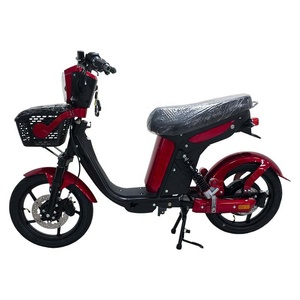
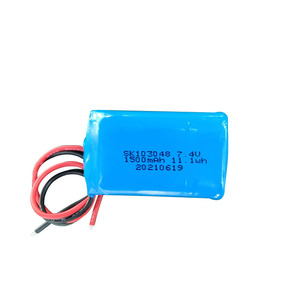
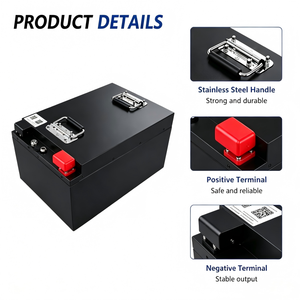
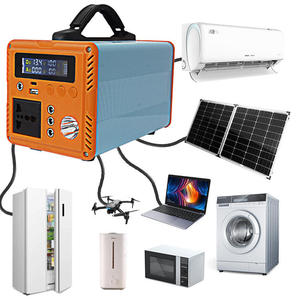
A comprehensive technical guide for global motorcycle brands, Tier-1 automotive procurement managers, custom shop builders, and EV original equipment manufacturers (OEMs).
In the modern powersports and electric vehicle (EV) ecosystems, the motorcycle seat has evolved from a basic cosmetic component into a critical ergonomic, aerodynamic, and safety engineering sub-assembly. Modern riders demand an optimal synthesis of long-distance spinal support, vibration damping, weatherproofing, and personalized aesthetics. Concurrently, international regulatory bodies enforce strict mechanical, chemical, and flammability parameters. Sourcing from a specialized CE Certified Custom Motorcycle Seat Manufacturer & Factory is no longer merely an option for brand owners—it is an indispensable prerequisite for legal market entry across Europe, North America, and Australia.
This technical white paper synthesizes empirical data from material dynamics laboratories, biomechanical pressure mapping research, and automated production environments. We explore how advanced chemical formulations in cold-molded polyurethane (PU) foams, high-frequency radio welding seam sealing, automated CNC foam shaping, and modular pan designs elevate motorcycle seat manufacturing. Furthermore, we outline the exact roadmap for procurement teams to evaluate OEM suppliers under strict EU Personal Protective Equipment (PPE) Regulation 2016/425, REACH SVHC standards, and ISO 9001:2015 quality management system controls.
Engineered motorcycle seating requires an intimate understanding of biomechanics and dynamic mass transport. During sustained operation, a rider's pelvis absorbs continuous low-frequency chassis vibrations (5 Hz – 50 Hz) alongside high-g impact forces transmitted through the rear suspension setup. Improper seat pan flex or non-linear foam degradation causes rapid ischial tuberosity fatigue, localized vascular restriction, and chronic lower back pain.
Formed via high-impact Virgin ABS or Glass-Reinforced Polypropylene (PP-GF30). Formulations are engineered to withstand -40°C to +85°C thermal cycling without brittle fracture or structural warpage. Integrated structural ribbing ensures zero flexing under high-load cornering.
Utilizing closed-cell, cold-molded MDI polyurethane foam with dynamic densities ranging from 55 kg/m³ to 70 kg/m³. Features dual-density zoning: firmer base density (Indentation Load Deflection ILD 65) topped with viscoelastic memory gel inserts (ILD 25) for ultimate pressure distribution.
High-frequency radio welding (RF) and heat-seal thermoplastic polyurethane (TPU) back-taping over double-stitched seams guarantee IPX6 water ingress protection, blocking moisture absorption into the foam core during tropical rainstorms or high-pressure washing.
Our OEM factory utilizes 256-sensor tactile pressure mapping arrays to benchmark weight distribution across various rider ergonomics (Sport/Aggressive forward lean, Cruiser neutral stance, and Cafe Racer forward tuck). By measuring peak pressure points in real-time, our engineers optimize the seat contour radius, effectively reducing peak ischial pressure from 3.8 N/cm² down to under 1.4 N/cm².
This dramatic pressure reduction eliminates localized blood flow occlusion, allowing riders to maintain optimal neural reaction speeds and posture control during endurance rides exceeding 400+ kilometers.

Achieving compliance with European Union CE standards (including EN 17092 motorcycle protective apparel and seating contact criteria) demands rigorous physical and chemical verification. A genuine CE-certified custom seat factory must implement end-to-end quality assurance on every raw material lot entering the production facility.
| Test Standard / Benchmark | Technical Metric / Specification | Regulatory Objective | OEM Performance Result |
|---|---|---|---|
| ISO 4674-1 (Tear Resistance) | ≥ 45 N (Newtons) lateral tear force | Structural integrity under extreme mechanical stress | 62.5 N (Pass - Exceeds CE Benchmark) |
| DIN EN ISO 5470-2 (Martindale Abrasion) | ≥ 100,000 Dry Rub Cycles without breakdown | Long-term surface wear resistance against rider gear | 150,000+ Cycles (Pass) |
| FMVSS 302 / ISO 3795 (Flammability) | Burn rate < 100 mm/min self-extinguishing | Fire safety compliance for combustion & EV platforms | Self-extinguishing 0 mm/min (Pass) |
| REACH SVHC (EC 1907/2006) | 0% Phthalates, Heavy Metals, or PAH Substances | Chemical safety, non-toxic skin contact compliance | 100% Certified Free of SVHC Chemicals |
| ISO 105-B02 (UV Xenon Arc Weathering) | Grade 7/8 Grey Scale Colorfastness (1200 Hours) | Prevention of fading, cracking, and surface chalking | No Surface Degradation after 1500 Hours |
Our upholstery materials range from heavy-duty UV-stabilized Marine Grade Vinyls (PVC/PU composite) to ultra-premium Microfiber Synthetic Leathers and ethically sourced Italian Top-Grain Genuine Leather treated with hydrophobic silicone oils. Every composite material is bonded to a breathable non-woven fleece backing, ensuring high tensile resilience and smooth fitment over complex 3D seat pan contours.
Partnering with a direct factory supplier offers global motorcycle brands complete design agility. From initial CAD surfacing to mass production, our facility operates integrated 3D reverse engineering scanners, 5-axis CNC foam carving machines, and automated aluminum injection tooling systems.
Choose from classic diamond quilting, tuck-and-roll heat embossing, laser-etched brand logos, custom contrast piping, and decorative double french stitching. Custom embroidery uses UV-treated hydrophobic polyester threads to prevent moisture wicking through stitch holes.
Direct factory installation of PTC ceramic heating pads (12V / 24V with multi-stage digital heat controllers), integrated rider/pillion gel pads, built-in wireless seat latch sensors, and waterproof wiring harnesses compatible with CAN-bus vehicle networks.

Our agile ODM tooling pipeline accelerates time-to-market for new motorcycle model launches:
As the global two-wheeler industry shifts rapidly toward electrification, smart connectivity, and circular economic principles, OEM seat manufacturing is undergoing a profound technological transformation. Procurement directors must anticipate these macro trends to maintain a competitive market edge.
Replacing traditional PU foam with additive-manufactured TPU lattice structures. Variable stiffness matrix density allows hyper-localized cushion tuning, 40% weight reduction, and superior breathability via open air channels.
Integration of compact piezoelectric actuators inside the seat cushion to provide tactile navigation prompts (left/right vibration pulses) and blind-spot collision warnings, alongside active Peltier thermoelectric cooling micro-fans.
Shift toward plant-derived polyols (castor oil-based PU foams) and 100% recycled PET ocean-bound plastic upholstery synthetics, assisting OEMs in meeting stringent Corporate Sustainability Assessment (CSA) standards.
Answers to critical questions asked by automotive sourcing managers, importers, and original equipment buyers when auditing custom seat production facilities.
Choosing the right manufacturing partner directly impacts your brand's market reputation, warranty claim expenses, and customer satisfaction metrics. With over two decades of dedicated automotive and powersports seating engineering, our facility combines automated industrial scale with master craft precision.
By eliminating trading intermediaries, clients achieve 25%–40% cost efficiency on bill-of-materials (BOM). All custom molds and tooling engineered for your OEM project remain 100% your proprietary intellectual property under strict non-disclosure agreements (NDAs).
Our integrated vertical manufacturing model—spanning in-house PU chemical formulation, metal bracket stamping, robotic sewing, and packaging—ensures robust lead-time control. We guarantee consistent 30-day production turnarounds for international container shipments.
Ready to engineer your next-generation motorcycle seat platform? Contact our technical engineering team today to request material sample swatches, review CAD files, or receive a competitive factory quote within 24 hours.
Contact Us