High-demand aftermarket systems, OEM-grade EV conversion kits, telemetry units, and specialized motorcycle hardware engineered for international regulatory compliance.
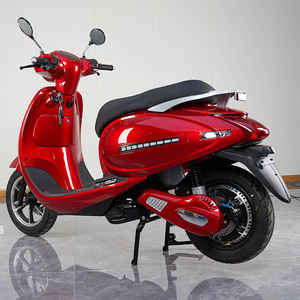
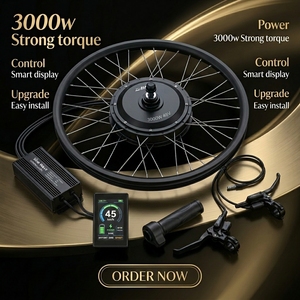
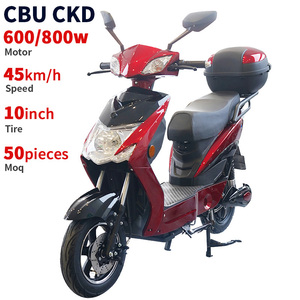
The global motorcycle aftermarket and electric mobility conversion sector is undergoing a profound structural transition. Driven by stringent European Union safety mandates, environmental regulations, and accelerating electrification, procurement directors can no longer rely on unverified original equipment manufacturers (OEMs). Identifying tier-one CE certified motorcycle aftermarket parts factories & factory networks has become the single most critical factor in mitigating compliance risk, avoiding customs friction, and ensuring product safety across international jurisdictions.
CE certification (Conformité Européenne) within the motorcycle sector extends far beyond a decorative stamp on packaging. For complex mechanical assemblies, high-voltage battery modules, smart IoT telemetry devices (such as 4G GPS trackers), and high-output hub motors, CE compliance verifies adherence to crucial EU directives including the Low Voltage Directive (LVD 2014/35/EU), Electromagnetic Compatibility Directive (EMC 2014/30/EU), Machinery Directive (2006/42/EC), and Radio Equipment Directive (RED 2014/53/EU). Furthermore, for road-legal vehicles, compatibility with E-Mark (ECE Regulations) and Australian Design Rules (ADR) establishes the benchmark for premium global supply chains.
Strict adherence to CE, EN 15194, ECE R136 (EV Safety), and ECE R10 (EMC). Fully documented Technical Construction Files (TCF) provided with every production run.
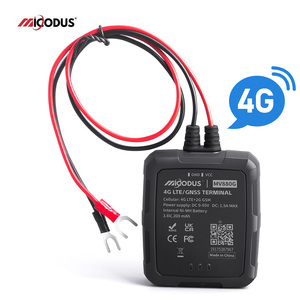
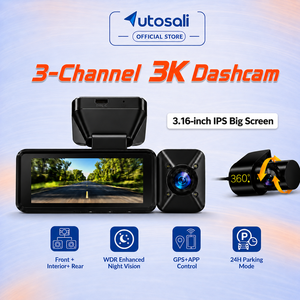
Integration of 4G MV880G real-time position trackers, CAN-bus micro-controllers, and IPS smart dashcams with OTA software updates for connected fleets.
Advanced CNC aluminum machining, cast single-sided swingarms, concentric carbon belt drive pulleys, and Brembo monoblock braking system integrations.
Our OEM/ODM factory infrastructure combines Western precision engineering principles with scalable Asian manufacturing capabilities. Drawing on pioneering design philosophies—such as those seen in Australian-engineered high-performance café racers and modular CKD/SKD electric vehicles—our production lines set the standard for component durability and thermal efficiency.
High-performance electric mobility demands continuous output without thermal throttling. Our CE certified motor factory specializes in liquid-cooled IPM (Interior Permanent Magnet) synchronous motors delivering up to 80 kW peak power and 250 Nm of torque.

| Evaluation Metric | CE Certified OEM Factory (Our Standard) | Non-Certified Generic Suppliers | Procurement Advantage |
|---|---|---|---|
| Quality System Certification | IATF 16949 / ISO 9001:2015 / ISO 14001 | None or basic local business license | Guaranteed batch consistency & zero-defect targets |
| EMC & Electrical Safety | EN 61000-6-3, RED Directive, ECE R10 validated | Unchecked electrical noise, signal interference | Prevents ECU failure & regulatory sales bans |
| Supply Logistics | CKD (Completely Knocked Down) & SKD Ready | CBU only (High shipping bulk & heavy tariffs) | Reduces freight costs by up to 45% per unit |
| Braking & Chassis Safety | Bosch ABS + Brembo monoblock compatibility | Unbranded hydraulic calipers, no ABS integration | Superior stopping power & homologation readiness |
| Telemetry & Software | Linux OS 7" IPS Dash, 4G GPS, CAN-bus integration | Basic analog displays, no cloud telemetry | Enables smart fleet management & OTA updates |
As global supply chains realign around resilience, tariff optimization, and ESG standards, international procurement officers must adapt their purchasing criteria. Our strategic analysis highlights four dominant procurement trends shaping the motorcycle aftermarket industry through 2030:
High import tariffs on fully built motorcycles are driving demand for CKD (Completely Knocked Down) and SKD (Semi Knocked Down) kits. Factories supplying standardized, color-coded, sub-assembled modular frames allow local assembly plants to minimize import duties, optimize container space, and access regional green tax incentives.
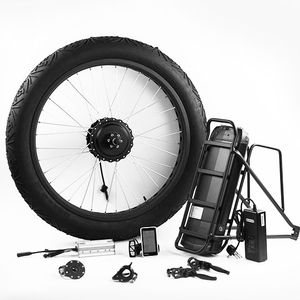
Aftermarket demand is shifting rapidly from low-power 350W-800W urban commuters to high-torque 3000W-5000W brushless fat-tire kits and 72V rear hub motor solutions. Distributors require CE-certified controllers with programmable torque curves and regenerative braking parameters.
Modern riders expect integrated smart cockpits. Procurement orders increasingly bundle 3-inch to 7-inch anti-glare IPS touchscreens running Linux OS, paired with 3K multi-channel dashcams, remote app sync, and 4G GPS anti-theft tracking modules (such as Micodus MV880G series).
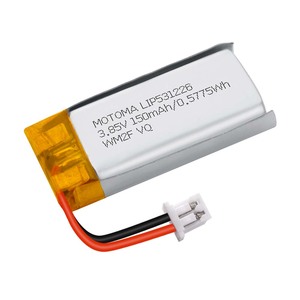
Whether sourcing ultra-compact 3.85V lithium-polymer cells for smart accessories or 16.2 kWh primary power packs for high-speed sport motorbikes, buyers demand rigorous UN38.3 transport certification, cell balance BMS, and thermal runaway containment guarantees.
Modern motorcycle riders demand a seamless blend of classic aesthetics and cutting-edge technology. Factory R&D departments are aligning engineering with three distinct design trajectories:

The resurgence of vintage cafe racer silhouettes—featuring exposed lightweight aluminum frames, classic round or stacked LED headlamps, custom racing green or atomic silver bodywork, and single-seater pillion cushions—is sweeping both petrol and electric markets.
CE-certified factories provide customizable body kits, dark chrome badging, and interchangeable tank shells, allowing distributors to offer bespoke builds without high tooling overheads.
Reducing unsprung weight is essential for range and handling agility. Advanced motorcycle factories now utilize cast backbone frames that serve dual functions as structural battery enclosures and rigid chassis members.
Paired with cast single-sided swingarms and floating wheel hub design, these lightweight structures give bikes a striking aesthetic while making rear-wheel removal and carbon belt replacement fast and simple.

Essential compliance, operational, and logistics guidance for aftermarket parts importers, brand owners, and fleet managers.
CE certification verifies that parts meet European safety, health, and environmental protection standards. Electrical components (dashcams, GPS trackers, lithium batteries, motors) must comply with EMC (EN 61000) and RED directives. Complete e-motorbikes and conversion kits must comply with Machinery Directive 2006/42/EC and EN 15194 standards.
CE certification is a manufacturer self-declaration or notified body audit for European Economic Area market entry covering general product safety. E-Mark (ECE regulation approval by European transport authorities) specifically covers road-legal vehicle components such as headlights, mirrors, braking systems (ECE R13), and EV electrical safety (ECE R136). Qualified factories provide test reports for both.
Yes. Our factory offers both Completely Knocked Down (CKD) and Semi Knocked Down (SKD) shipping configurations. Modular packaging maximizes container density and can lower import duties by 15% to 40% depending on local customs classifications in target markets.
Every production lot comes with a complete compliance binder including CE Declaration of Conformity (DoC), EMC test reports, UN38.3 battery shipping test summary, MSDS sheets, and IATF 16949 factory audit certificates to ensure rapid customs clearance.
We offer custom powder coating, anodized metallic finishes (e.g., Atomic Silver, Racing Green, Pistachio), laser-engraved badging, customized splash screens for IPS smart dashes, and custom leather stitching for seats based on client CAD files or pantone specifications.
Standard component orders (GPS trackers, dashcams, conversion kits) ship within 14–21 business days. Custom CKD vehicle assemblies or custom-tooled chassis parts typically take 35–45 days, including full quality control testing and PDI (Pre-Delivery Inspection).
Access direct wholesale pricing, complete CE technical construction files, and custom OEM/ODM engineering support for your market. Download our full product catalog now.