
Explore our flagship exported EV modules, engineered for precision, thermal stability, and maximum energy density.
Bridging Tier-1 OEM Standards with Rapid Prototyping and Scalable Global Export Solutions
The global transition toward zero-emission transportation has drastically reshaped the global automotive engineering landscape. As electric mobility expands from urban light-duty commuter vehicles to heavy commercial transport vans and bespoke high-performance café racers, the market demands higher power density, advanced thermal management, and ultra-reliable electronic control architectures. As a leading China Custom EV Components Manufacturer and Exporter, our engineering mandate integrates end-to-end R&D, precision casting, motor winding, custom battery management systems (BMS), and automotive-grade brake safety systems under unified IATF 16949 quality protocols.
Procuring EV components directly from specialized Chinese OEM/ODM hubs offers significant advantages in component integration. By co-engineering motor controllers, high-voltage battery modules, and braking systems, fleet operators and custom vehicle builders achieve a 35% reduction in system latency, dynamic regenerative energy recovery exceeding 92% efficiency, and streamlined international regulatory compliance (ADR, EEC, COC, CE, and DOT).
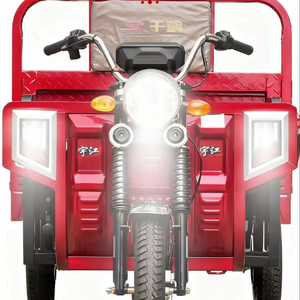
At the heart of modern electric vehicle architecture lies the electric powertrain. Modern commercial conversions, utility vans, and two/three-wheeler platforms require seamless mechanical and electrical coupling. Our proprietary EV conversion kits feature high-voltage IPM (Interior Permanent Magnet) synchronous motors paired with liquid-cooled vector controllers. Featuring dual-way CAN 2.0B bus integration, these powertrains deliver instant throttle response, programmable power maps, and optimized torque curves engineered for heavy payloads up to 400kg.
In high-speed electric motorcycle applications, such as our naked street bikes and vintage café racers, liquid cooling is essential for maintaining sustained 80 kW peak output and top speeds exceeding 180 km/h. By incorporating forced coolant circulation directly through the rotor jacket and inverter cold plate, thermal throttling is eliminated, ensuring peak power availability under high ambient temperatures and aggressive track conditions.
| Component Module | Technical Specification | OEM Application Target | Efficiency Rating |
|---|---|---|---|
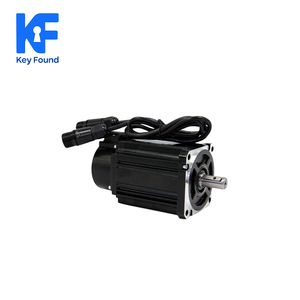
| IP67 3-Phase Servo Motor | 400V AC, High-Torque Rotary, Brushless | Automotive Steering & Industrial Actuation | 96.8% Peak Efficiency |
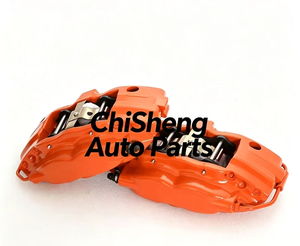
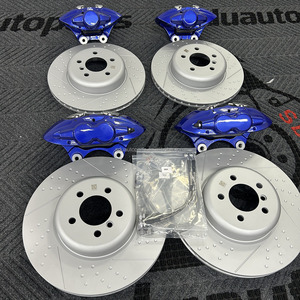
| Monoblock Racing Calipers | 4-Piston / 1-Piston Aircraft-Grade Aluminum | Audi A6/C8/S5, BMW F30/F31, High-Speed EVs | Zero-Fade Thermal Capacity |
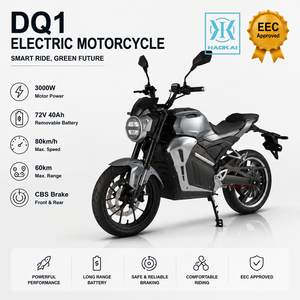
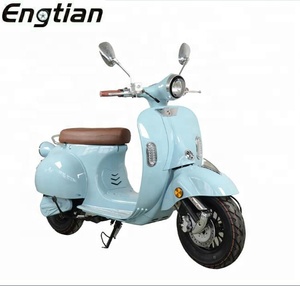
| 72V 40AH Lithium Powertrain | 100A Controller, 3000W Motor, CBS Braking | EEC/COC Road-Legal Electric Motorcycles | 220 km Urban Range |
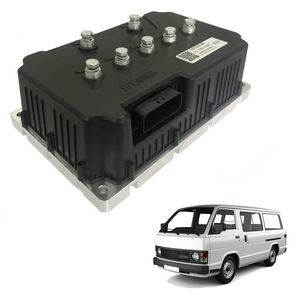
| VAN EV Conversion Kit | High-Voltage Drive, Integrated Gearbox & MCU | Light Commercial Commercial Electrification | > 94% Inverter Efficiency |
Deceleration dynamics in electric vehicles differ fundamentally from internal combustion engine (ICE) platforms due to vehicle weight distribution and instant torque regeneration. Our high-performance F40 4-Piston Monoblock Racing Brake Calipers are forged from aerospace-grade aluminum alloys to guarantee maximum rigidity under extreme hydraulic pressure. Engineered for seamless plug-and-play installation on vehicles such as Audi A6, C8, S5, Q7, Q8, BMW F30, F31, and custom electric superbikes, these monoblock calipers prevent thermal deformation and pad tap-back under high thermal loads.
When combined with custom electronic brake force distribution (EBD) and intelligent regenerative braking algorithms, our braking systems recycle kinetic energy back into the lithium-ion traction pack. Riders and drivers can customize deceleration force on a 1-to-10 sliding scale—ranging from smooth two-stroke coasting to aggressive engine-style braking—reducing mechanical brake pad wear by up to 60% while extending vehicle range by up to 15%.
Delivering high-precision custom components backed by rigorous testing, international certification, and scalable factory capacity.
Full CAD/CAM structural modeling, finite element analysis (FEA), and custom casting/machining for bespoke vehicle frames, single-sided swingarms, and custom motor casings tailored to client specs.
Automated spot-welding and laser-crimping cell lines using high-density NMC and LiFePO4 chemistry. Complete with active thermal balancing, IP67 waterproofing, and PD20W/DC output logic.
Every exported component undergoes dynamic dyno testing, thermal imaging, high-voltage insulation checks, and salt-spray corrosion tests to ensure EEC, COC, DOT, and CE compliance.
Critical engineering shifts that B2B buyers and OEM procurement managers must navigate to maintain competitive advantage.
As electric vehicle technology matures, component procurement strategies are shifting from purchasing isolated off-the-shelf parts to sourcing fully integrated, modular domain subsystems. Procurement officers must align their vendor selection with the following overarching industry transformations:
Comprehensive technical answers directly from our senior engineering and export logistics department.
China hosts the world's most mature electric vehicle supply chain ecosystem, offering unparalleled economies of scale, rapid mold fabrication, and integrated access to raw materials (lithium, rare-earth permanent magnets, high-purity aluminum). Sourcing directly allows global OEMs to access cutting-edge component technology at competitive unit costs while maintaining strict IATF 16949 quality control standards.
We provide comprehensive engineering support: custom mounting bracket fabrication for monoblock calipers (compatible with Audi, BMW, and custom EV uprights), custom motor shaft splines, variable voltage stator windings (48V to 400V AC/DC), bespoke wire harness lengths with waterproof IP67 Amphenol/Molex connectors, and custom branded anodized finishes.
Our complete electric motorcycles and powertrain modules comply with European EEC/COC road-legal standards, American DOT/SAE specifications, Australian Design Rules (ADR), and CE safety mark certifications. Battery systems strictly adhere to UN38.3 transport safety regulations, MSDS documentation, and IEC 62133 guidelines.
Liquid cooling maintains optimal motor and inverter operating temperatures (below 65°C) even during continuous high-load hill climbs or rapid charging sessions. Air-cooled systems suffer thermal throttling under heavy load, causing automatic power degradation. Liquid cooling ensures consistent access to peak horsepower and extends component insulation lifespan by up to 300%.
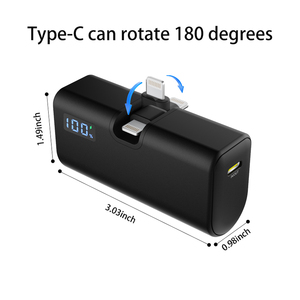
For standard catalogue components (monoblock calipers, portable power packs, servo motors), MOQs start as low as 10 units with lead times of 14–21 business days. Custom OEM orders requiring mold tool creation, structural chassis casting, or custom lithium pack sizing generally carry a 45–60 day production schedule including prototype verification.
We offer direct engineer-to-engineer technical consultations, full schematics, CAN-bus protocol data sheets, spare parts stocking arrangements, and remote telemetry diagnostic software. All exported components include standard factory warranties ranging from 12 to 36 months.
Partner with China's leading expert in custom electric vehicle powertrains, braking dynamics, and smart energy storage. Connect directly with our chief technical export team for instant quotes, technical CAD files, and sample testing.


