Direct factory procurement options for B2B importers, OEM brand owners, and regional distributors.
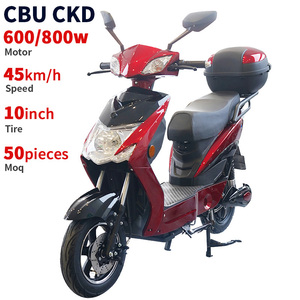
The global light electric vehicle (LEV) sector is undergoing an unprecedented structural transition. Historically dominated by low-voltage (36V–48V) commuter mopeds engineered primarily for last-mile urban logistics, the international market now demands high-speed, high-performance electric motorcycles capable of competing directly with traditional 300cc–650cc internal combustion engine (ICE) sport bikes. Commercial buyers, brand OEMs, and bulk distributors seeking reputable China wholesale high speed motorbike manufacturers & suppliers must evaluate vendors not merely on unit assembly cost, but on holistic powertrain thermal stability, structural engineering integrity, and global regulatory homologation readiness.
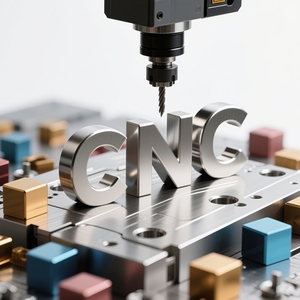
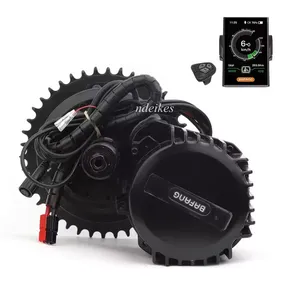
China’s manufacturing ecosystem has evolved from simple assembly facilities into advanced OEM/ODM tech hubs. By integrating aerospace-grade 5-axis CNC machining, liquid-cooled IPM (Interior Permanent Magnet) synchronous motors, and high-voltage BMS (Battery Management Systems) into scalable production lines, tier-one Chinese factories now deliver high-speed electric motorcycles that achieve peak power outputs exceeding 80 kW and instant torque profiles upwards of 250 Nm.
B2B importers navigating bulk supply agreements must align their purchasing strategies with three critical macro developments defining China's high-speed electric vehicle export sector:
How our engineered production framework delivers industrial-grade reliability, thermal efficiency, and customizable styling for global markets.
A single closed-loop coolant circuit circulates continuously through the motor, inverter cold plate, and onboard DC/DC converter. This prevents thermal degradation during continuous high-speed cruising and rapid DC charging cycles.
Utilizing a cast single-sided aluminum swingarm paired with an Optibelt carbon synchronous drive belt concentric to the motor axis. Eliminates chain slack variations, reduces maintenance overhead, and ensures whisper-quiet power transfer.
In-house precision CNC turning and milling facilities enable custom aluminum chassis frames, battery enclosure structures, and bespoke triple-clamp assemblies tailored to OEM partner specifications with tolerances down to ±0.01mm.
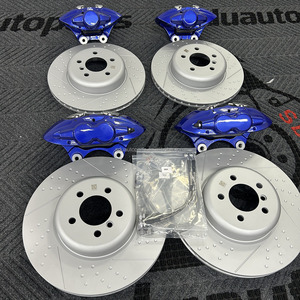
Dual Brembo M4 monoblock four-piston radial calipers integrated with custom-calibrated Bosch Anti-Lock Braking Systems (ABS), delivering track-proven stopping power and zero-lock confidence under emergency deceleration.
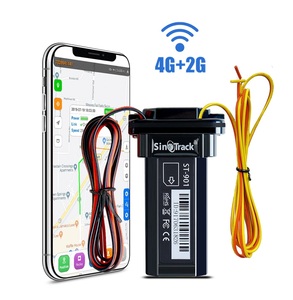
High-brightness anti-glare IPS display running an embedded Linux OS. Features 4G cloud telematics, custom riding mode profiles, OTA software updates, regenerative braking level adjustments (1–10 scale), and real-time GPS tracking.
Configurable outer shell options including pre-preg autoclave carbon fibre, Atomic Silver metallic paints, or bespoke heritage colorways. Supported by modular subframe mounting points for rapid aesthetic adaptation.

Traditional electric motorcycles suffer from belt tension variation as the rear suspension compresses, leading to accelerated belt wear and efficiency loss. Our engineering team resolves this by positioning the drive pulley concentric to the swingarm pivot axis.
Combined with an aircraft-grade cast aluminum single-sided swingarm, this design enables rapid 3-minute rear wheel removal while maintaining constant belt tension across the full 120mm suspension travel stroke. The result is zero powertrain backlash, smoother throttle response, and a service life exceeding 50,000 kilometers.
Consult Engineering Team
Modern high-speed electric motorbikes require intelligent software orchestration. Our proprietary Vehicle Control Unit (VCU) interfaces with the motor inverter and BMS over a high-speed CAN-bus network, sampling data at 100 Hz.
Riders can fine-tune throttle maps, set electronic speed limits for specific regional license classes, and configure regenerative deceleration curves from a smooth glide to aggressive engine-style braking. Integrated 4G connectivity allows fleet managers and OEM operators to monitor vehicle health, battery cell balance, and diagnostic fault codes remotely in real time.
Download Telematics Spec SheetStandard factory specifications for bulk OEM customization and institutional procurement analysis.
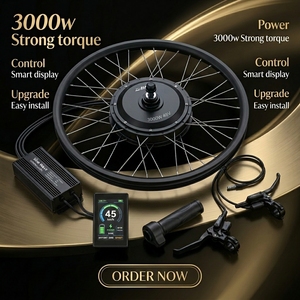
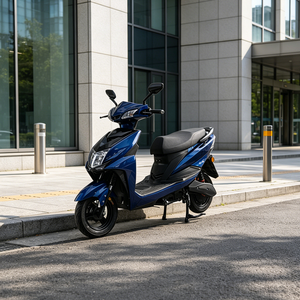
| Performance Parameter | Flagship High-Speed Platform | Commuter / Street Legal Series | Conversion Powertrain Kit |
|---|---|---|---|
| Motor Type / Cooling | Liquid-Cooled 3-Phase IPM Synchronous | Air-Cooled BLDC Hub / Mid-Drive | Liquid-Cooled / Air-Cooled External |
| Peak Output Power | 60 kW – 80 kW (107 hp equivalent) | 5 kW – 11 kW (L3e / 125cc class) | 3 kW – 60 kW Scalable |
| Shaft / Hub Torque | 250 Nm Instant Peak | 75 Nm – 110 Nm Peak | 150 Nm – 320 Nm (Kit Dependent) |
| Battery Pack Capacity | 16.2 kWh High-Density NMC (72V–320V) | 3.6 kWh – 7.2 kWh Lithium-Ion | Custom Pack Integration Compatible |
| Top Terminal Speed | 180 km/h (112 mph) | 90 km/h – 110 km/h | Configurable up to 160 km/h |
| Braking & Safety | Brembo Monoblock + Bosch Dual-Channel ABS | Combined Braking System (CBS) / Hydraulic | Regenerative Electronic Braking Support |
| Final Drive System | Optibelt Carbon Synchronous Belt (1:4 Ratio) | Heavy-Duty Sealed O-Ring Chain / Direct Hub | Custom Pulley / Sprocket Adaptor |
| Homologation Standards | ADR, EEC (L3e-A3), DOT, CE Compliant | EEC (L3e-A1), CE, UL2272 | CE, RoHS, UN38.3 Certified Components |
Sourcing high-speed electric motorcycles requires rigorous supplier verification. Unlike low-speed electric scooters, high-speed motorcycles operating above 120 km/h generate significant dynamic stress, mechanical vibration, and thermal loads. A failure in structural frame design or battery thermal management can cause severe operational and legal repercussions for international distributors.
Ensure your supplier utilizes robot-welded chromoly steel tubular chassis or gravity-cast aluminum backbone frames. High-end platforms combine the structural chassis with the battery enclosure, creating a stressed-member monocoque design that increases torsional rigidity while reducing dry vehicle weight by up to 18%.
Request proof of IP67 or IP68 ingress protection testing for the entire energy storage unit. Battery enclosures must feature pressure-relief valves, phase-change thermal barriers between individual 21700/32140 cells or pouch units, and an active CAN-bus BMS capable of isolating faulty module strings within 15 milliseconds.
To register high-speed motorcycles in Europe, North America, or Australasia, vehicles must meet specific regional standards: EEC/e-Mark (Europe), DOT/FMVSS (USA), and ADR (Australia). Verify that your manufacturing partner provides complete Type-Approval documentation, CoC (Certificate of Conformity) paperwork, and standardized VIN stampings matching regional customs regulations.
Automated assembly lines with computerized torque tracing for every critical chassis bolt.
100% end-of-line dyno testing verifying speed, acceleration, and thermal dissipation under load.
Aluminum components undergo 720-hour salt-spray anodization testing for harsh coastal climates.
Full compliance with international dangerous goods shipping regulations for safe ocean transport.
Addressing essential commercial, technical, and regulatory questions from international trade buyers.