Precision-engineered powertrains, modular chassis assemblies, and certified lithium energy storage systems tailored for global commercial brands.
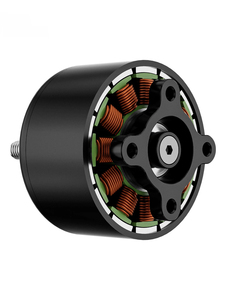
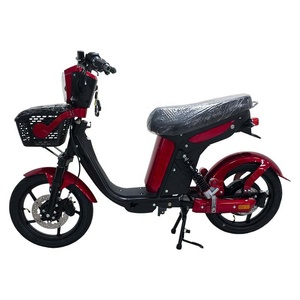
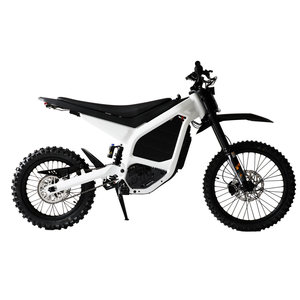
Liquid-cooled 3-phase AC IPM motor delivering zero-latency linear acceleration.
Instant low-end torque optimized through carbon belt drive gearing.
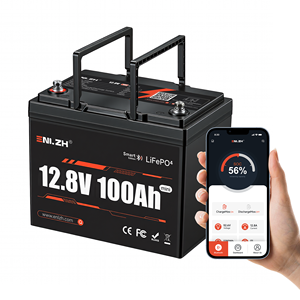
Derived from a high-density 16.2 kWh integrated lithium structural pack.
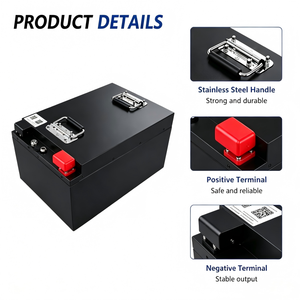
Automotive-grade thermal management and battery isolation housing.
The global two-wheeler mobility landscape is undergoing an unprecedented structural transition. While the early phase of electric two-wheeler (E2W) adoption was dominated by utility-centric scooters and minimalist light electric vehicles (LEVs), the premium consumer market is demonstrating an aggressive shift toward mid-to-high performance motorcycles. Within this segment, retro-styled electric motorcycles—specifically neo-retro café racers, vintage trackers, and classic street cruisers—have emerged as the fastest-growing equity-building vehicle category across North America, Europe, and Australia-Pacific regions.
From an Original Equipment Manufacturer (OEM) and Original Design Manufacturer (ODM) procurement standpoint, manufacturing a retro electric motorcycle presents a unique engineering challenge: marrying timeless, mid-20th-century aesthetic silhouettes with modern automotive-grade powertrain architecture, liquid cooling systems, CAN-bus vehicle networks, and complex structural battery integration. Fleet operators, brand owners, and importers can no longer rely on retrofitted internal combustion engine (ICE) chassis. Today’s global regulatory climate demands ground-up structural engineering that satisfies rigorous homologation frameworks, such as Australian Design Rules (ADR), European Whole Vehicle Type Approval (WVTA under L3e-A3 classifications), and U.S. Federal Motor Vehicle Safety Standards (FMVSS/DOT).
"Successful OEM procurement in the electric motorcycle market requires moving beyond cosmetic styling. It demands integrated platform sharing—where chassis geometry, structural battery cast backbones, and thermal liquid loops are engineered concurrently to reduce development lead times while guaranteeing international compliance."
As a specialized custom OEM retro electric motorcycle manufacturer and supplier, our engineering hub combines traditional master craftsmanship with precision automated manufacturing. By maintaining single-site design, prototyping, structural testing, and final assembly capabilities, we offer commercial B2B partners an end-to-end pathway from conceptual styling renderings to full-scale low-volume or mass production runs.
Designed for durability, low maintenance, and total integration. Explore the core modules available for custom OEM adaptation.
Integrated closed-loop liquid thermal cooling system circulating through the motor, inverter, and fast-charging DC/DC modules to prevent thermal throttling under continuous high-load highway speeds.
Lightweight aluminum alloy cast chassis frame serving dual functionality as a rigid structural frame and an IP67/IP69K sealed structural battery box, lowering vehicle center of gravity.
Concentric rear-pulley architecture using Optibelt carbon fibre synchronous belt drive combined with a cast single-sided swingarm for ultra-quiet operation and zero chain-tension drift.
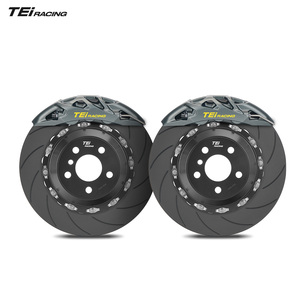
Equipped with radial-mount Brembo 4-piston monoblock calipers, dual-channel Bosch ABS, and a 7-inch customisable Linux IPS touchscreen instrument cluster with 4G IoT connectivity.
To deliver true "Information Gain" for motorcycle brand executives and fleet procurement managers, it is essential to analyze the exact mechanical and electrical trade-offs involved in retro electric vehicle construction. Traditional retro motorbikes suffer from sub-optimal space utilization when adapted for electric drive. Battery packs housed inside pseudo-gasoline tanks elevate the center of mass, producing sluggish roll-initiation and unstable high-speed cornering.
Our custom OEM platform resolves this systemic design defect through a proprietary Cast Aluminum Backbone Chassis Architecture. The main structural frame is cast using high-strength A356-T6 aluminum alloy, serving simultaneously as the main stress-bearing skeleton and the sealed enclosure for the lithium battery modules. This design achieves superior torsional rigidity (exceeding 2,800 Nm/degree) while ensuring the heavy battery mass remains centrally suspended low in the frame.
| Engineering Dimension | Proprietary OEM Retro Platform | Conventional Aftermarket Conversion | Commercial Sourcing Impact |
|---|---|---|---|
| Chassis Architecture | Monocoque Cast Aluminum Backbone | Steel Tubular Frame Retrofit | 35% weight reduction; structural battery integration. |
| Thermal Management | Active Closed-Loop Liquid Cooling | Passive Air-Cooled Fins | Prevents power derating above 40°C ambient operating temp. |
| Final Drive Mechanism | Optibelt Carbon Synchronous Belt | Standard Roller Chain | Eliminates lubrication maintenance; operation noise < 58 dB. |
| Braking & Safety | Brembo Monoblock + Bosch Dual ABS | Generic Hydraulic Disc / No ABS | Meets mandatory EU/US/AU road-legality safety guidelines. |
| Vehicle Telematics | Linux OS 7" Touchscreen + CAN 2.0B | Analog/Basic LED Speedometer | Enables remote OTA firmware upgrades and fleet GPS tracking. |
| Regenerative Braking | 10-Level Adjustable Throttle Off-Regen | Single-State On/Off Brake Switch | Extends urban range by up to 18% via kinetic recovery. |
The global sourcing strategy for electric two-wheelers is undergoing rapid evolution. Procurement directors must navigate emerging trade regulations, battery safety mandates, and regional homologation protocols. Key procurement trends shaping the retro electric motorcycle industry include:
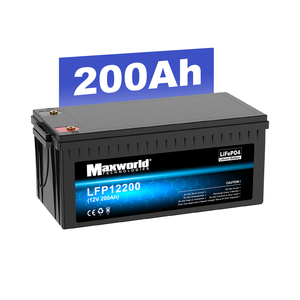
Safety considerations remain paramount in B2B vehicle supply chains. While Nickel Manganese Cobalt (NMC) cells offer higher gravimetric energy density (up to 250 Wh/kg)—making them suitable for high-acceleration café racers—Lithium Iron Phosphate (LiFePO4) chemistry is rapidly gaining ground in commercial fleet applications due to its thermal stability, 3,000+ deep-discharge cycle life, and resistance to thermal runaway. Our OEM facility provides dual-chemistry support with custom Smart Battery Management Systems (BMS) communicating over isolation-monitored CAN-bus networks.
Supplying vehicles globally requires strict adherence to regional type approval. Importers often face months of delays due to non-compliant lighting, sub-standard braking system performance, or uncertified electromagnetic compatibility (EMC). Our turnkey OEM production processes ensure all wiring harnesses, optical LED assemblies, braking hardware, and control units carry pre-certified documentation (ECE, DOT, ADR compliance), drastically shortening the time-to-market for local market authorization.
To reduce international shipping tariffs and streamline localized assembly, modern procurement models heavily leverage Completely Knocked Down (CKD) and Semi-Knocked Down (SKD) logistics. By designing interchangeable fiberglass and carbon-fibre bodywork modules (ranging from traditional British Racing Green configurations to minimalist raw-carbon finishes), we enable local distributors to offer custom bespoke styling options directly to end-consumers without re-engineering the core powertrain chassis.
Vertical integration, transparent quality control, and established tier-one automotive component supply chains.
From initial CAD surface modeling and finite element analysis (FEA) stress testing to custom PCB layout design, our Melbourne-engineered platforms are fully validated before assembly.
We directly integrate premium components including Brembo braking calipers, Bosch anti-lock braking systems, Optibelt carbon drive belts, and Pirelli Diablo tyres.
Whether you require a limited edition production run of 50 custom café racers or a scalable monthly batch of 1,000 units, our modular tooling accommodates agile order scales.
Complete control over paint finishes (Atomic Silver, Racing Green, Pistachio, Matte Obsidian), badging geometry, seat upholstery (hand-stitched genuine leather or synthetic vegan options), and lighting profiles.
100% end-of-line dyno testing, IP67 enclosure water-immersion verification, high-voltage insulation tests, and full road-simulation validation before export clearance.
Direct access to the engineers who designed the platform. Comprehensive technical manuals, spare parts cataloguing, software flashing tools, and warranty support packages.
Essential answers for commercial buyers, fleet managers, and brand distributors evaluating retro electric motorcycle OEM manufacturing.
Partner with an industry-leading OEM/ODM retro electric motorcycle manufacturer. Download our comprehensive engineering whitepaper, request structural CAD models, or schedule a technical sourcing consultation with our engineering team today.