Explore high-performance components, lithium energy modules, and precision-engineered assemblies vetted for global OEM distribution.
An authoritative analysis of carbon fiber composite manufacturing, material grade selection, structural integration in electric vehicles, and procurement strategies for tier-1 OEMs.
The global demand for high-strength, lightweight carbon fiber composite bodywork has experienced exponential growth across the automotive, electric motorcycle, and aerospace sectors. As manufacturers transition from traditional internal combustion engines (ICE) to zero-emission electric vehicle (EV) platforms, weight reduction has become the single most vital variable for extending battery range and optimizing vehicle dynamics. Carbon fiber reinforced polymers (CFRP) provide an unmatched strength-to-weight ratio, allowing engineers to reduce curb weight by up to 40% compared to aluminum and up to 60% compared to stamped steel.
This report establishes a definitive procurement framework for selecting top-tier carbon fiber bodywork exporters. By evaluating resin chemistry, weave consistency, autoclave vs. non-autoclave compression molding, UV-resistant coating integrity, and dimensional tolerance standards, B2B buyers can ensure superior structural durability and seamless assembly integration.
When sourcing carbon fiber components internationally, enterprise buyers must audit exporters against strict structural and aesthetic quality criteria. Inferior carbon fiber bodywork frequently suffers from resin voiding, micro-cracking under thermal stress, fiber misalignments, and premature yellowing under sunlight. The top 10 global exporters distinguish themselves through advanced manufacturing techniques:
Utilizes pre-impregnated carbon weaves cured under high pressure and temperature (120°C–180°C), eliminating air pockets and guaranteeing structural void fractions under 0.5%.
Robotic 5-axis waterjet and diamond CNC machining ensure bolt-hole alignment tolerances within ±0.05mm, essential for OEM quick-fit bodywork panels.
Application of multi-layer polyurethane or ceramic UV-inhibiting clear coats preventing resin degradation and maintaining deep gloss or satin finishes under extreme sunlight.
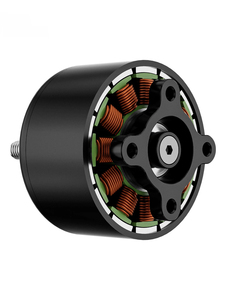
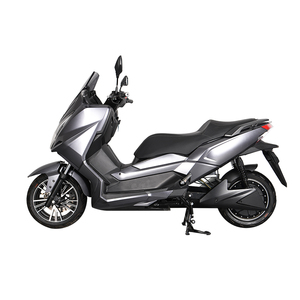
See how precision-molded carbon fiber fairings complement single-sided swingarms, carbon synchronous belt drives, and liquid-cooled electric motors.


The carbon fiber manufacturing sector is undergoing rapid technological shifts driven by sustainability goals, automation, and intelligent material integration. B2B procurement officers and engineering directors must align their supply chains with the following macro trends:
A. Sustainable & Recycled Carbon Composites (rCFRP): Environmental regulations in Europe and North America are forcing manufacturers to adopt circular economy practices. Recycled carbon fiber non-woven mats and bio-based epoxy resins are gaining traction for non-structural interior bodywork panels, reducing carbon footprints by up to 70% during raw material processing.
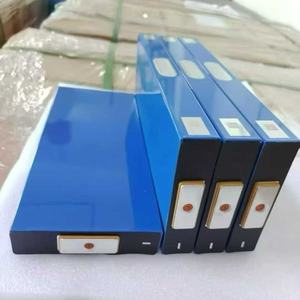
B. Structural Battery Enclosure Integration: Future EV motorbikes and lightweight passenger vehicles are replacing separate frame-and-body construction with unified composite structures. Carbon fiber battery enclosures serve dual functions: acting as a load-bearing chassis member while isolating lithium cells from mechanical impacts and thermal runaway events.
C. Hybrid Carbon-Kevlar Impact Resistance: Pure carbon fiber can be brittle under sharp impact conditions. Top exporters are expanding offerings in hybrid weaves—blending carbon fiber with Kevlar (aramid)—to deliver bodywork fairings that retain high tensile rigidity while resisting catastrophic fragmentation during road debris strikes or high-speed collisions.
D. Smart Sensor Embedding (Structural Health Monitoring): Next-generation carbon fiber body panels are embedded with fiber-optic strain sensors and RFID tags during vacuum resin infusion. This allows telemetry systems to monitor real-time composite stress, micro-fractures, and structural fatigue over thousands of operating cycles.


At our West Melbourne facility, every electric vehicle assembly and bespoke carbon fiber bodywork option represents the pinnacle of Australian engineering. By unifying design, prototyping, structural testing, and hand-assembly under one roof, we provide international clients and riders with unmatched transparency and build consistency.
Our production protocols comply with Australian Design Rules (ADR) and international automotive quality benchmarks. Whether supplying custom carbon fiber café racer fairings, liquid-cooled IPM motor units, or complete vehicle platforms, our team provides full lifecycle support from initial design consults to aftersales telemetry updates.

Discover real customer build configurations assembled in our facility, ranging from raw weave carbon fiber to custom metallic paint finishes.


Detailed technical answers for supply chain leads, OEM procurement agents, and custom vehicle builders.
Connect directly with our global engineering supply team to receive comprehensive product catalogs, custom CAD integration guides, and bulk procurement discounts.
Get Catalog