Key quantitative parameters for selecting OEM & ODM tier-1 hydraulic brake manufacturing partners.
Forged from aerospace-grade 6061-T6 and 7075-T6 aluminum alloys, single-piece caliper bodies eliminate structural flex under extreme hydraulic pressure (>10 MPa), dramatically improving lever feel and modulation stability.
Zero Caliper Flex under LoadPrecision-engineered floating rotors feature stainless steel outer braking bands coupled to lightweight anodized alloy inner carriers via rivets, preventing thermal warping up to peak operating temperatures of 650°C.
Anti-Warping Floating RivetsModern electric motorcycles, cargo e-bikes, and light EVs require dual-channel Bosch ABS calibration and electronic braking sensor feedback, allowing seamless blending of mechanical friction with motor regenerative deceleration.
E-Mobility & ABS CompatibleEvaluating thermal management, fluid dynamics, multi-piston clamping force, and tier-1 OEM manufacturing protocols for commercial procurement.
Hydraulic disc brake systems represent the gold standard in deceleration technology across high-performance motorcycles, electric vehicles (EVs), all-terrain utility vehicles (ATVs/UTVs), light commercial transport, and premium electric bicycles. Unlike mechanical cable-actuated systems, hydraulic disc brakes leverage incompressible fluid medium—typically synthetic DOT 4 / DOT 5.1 glycol-ether fluids or non-hygroscopic mineral oils—to transfer kinetic energy into friction heat with minimal volumetric expansion loss.
When procurement directors and OEM product managers evaluate global hydraulic disc brake suppliers, technical auditing must go beyond unit pricing to scrutinize micro-structural manufacturing capabilities and fluid dynamic stability:
| Fluid Type / Brake System Spec | Dry Boiling Point (°C) | Wet Boiling Point (°C) | Viscosity at -40°C | Primary Target Applications |
|---|---|---|---|---|
| Mineral Oil (High-Index) | 230°C – 300°C | Non-Hygroscopic | 1200 mm²/s | E-Bikes, MTB, Light EV Commuters |
| DOT 4 Glycol-Ether | 230°C | 155°C | < 1500 mm²/s | Powersports, Motorcycles, UTVs |
| DOT 5.1 Low-Viscosity | 260°C | 180°C | < 900 mm²/s | ABS / ESP Electric Vehicles, High-Perf Moto |
| DOT 5 Silicone-Based | 260°C | Non-Hygroscopic | < 900 mm²/s | Military, Heavy Utility, Classic OEM |
Comprehensive evaluation of leading international manufacturers specializing in OEM/ODM hydraulic braking systems, CNC components, and powertrain integration.
Brembo is globally recognized as the benchmark in high-performance braking architecture. Known for pioneering single-piece monoblock calipers machined from radial-mounted aluminum forgings, Brembo supplies world-class brake systems for premium motorcycles, supercar platforms, and high-output EV setups.
Shimano dominates the global two-wheel hydraulic braking market with its proprietary non-hygroscopic mineral oil systems and ICE Technologies heat management. Utilizing aluminum-clad stainless steel rotors and finned brake pad backings, Shimano systems lower operating temperatures by up to 100°C.
Germany’s MAGURA delivers extreme weight optimization through its patented Carbotecture® carbon-fiber reinforced master cylinder bodies. Magura specializes in heavy-duty e-bike, S-Pedelec, motorcycle, and light EV braking systems requiring integrated electronic brake switches.
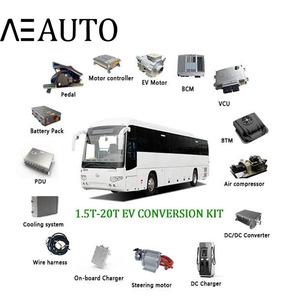
Integrating tier-1 Brembo radial calipers with custom CNC-machined mounting brackets, single-sided swingarms, and high-performance powertrain controllers, Secor/Savic delivers turnkey OEM hydraulic solutions. Specialized in EV conversion kits, custom dirt bikes, UTVs, and electric café racers.
Tektro and its high-end division TRP are premier suppliers for commercial cargo e-bikes and utility vehicles. TRP introduced 2.3mm ultra-thick rotors designed to absorb immense kinetic heat under total gross vehicle weights exceeding 250kg without warping.
Based in the United States, Hayes engineering focuses on heavy-duty powersports, military fleet quadricycles, snowmobiles, and downhill mountain bikes. Their patented Crosshair caliper alignment system reduces OEM assembly time on assembly lines by up to 50%.
Operating out of Barnoldswick, UK, Hope Technology manufactures 100% of its hydraulic disc brake products from solid billets of 2014-T6 aircraft alloy. Famous for their 6-piston and 4-piston Tech 4 series, Hope offers unmatched customization in anodized colorways and custom leverage ratios.
Formula Brakes is an Italian manufacturer celebrated for pioneering ultra-compact master cylinders and radial piston designs for motocross and electric trial bikes. Their Cura 4-piston platform utilizes mineral oil with high thermal shear stability.
Beringer produces high-end hydraulic disc brake systems for light aircraft, experimental aviation, Supermoto racing, and high-tier custom electric motorcycles. Featuring patented Aerotec® ball-bearing lever pivots, Beringer provides zero-friction lever action.
Spanish manufacturer Galfer is globally famous for inventing the laser-cut Disc Wave® rotor design. Galfer supplies OEM rotors, hydraulic lines, and semi-metallic friction pads to leading motorcycle and e-vehicle brands worldwide.
Key innovations transforming OEM brake manufacturing, smart telematics, and eco-friendly material compliance.
B2B buyers are demanding hydraulic master cylinders pre-fitted with digital pressure transducers and brake pad wear sensors. These sensors feed real-time telemetry into fleet CAN-bus systems, predicting maintenance windows before mechanical failure.
With strict European REACH and RoHS regulations tightening around glycol-ether disposal, tier-1 suppliers are transitioning to non-toxic, bio-degradable synthetic hydraulic oils with flash points exceeding 320°C and extended 5-year service life.
Environmental legislation prohibiting copper content in brake pads (to prevent marine heavy-metal pollution) has spurred adoption of ceramic-matrix composite pads reinforced with aramid fibers and synthetic graphite, maintaining stable friction coefficients (µ = 0.45 – 0.55).
As light electric vehicles (LEVs), electric cafe racers, e-buses, and industrial dirt bikes proliferate, hydraulic braking can no longer exist in isolation. Modern OEM procurement specifications dictate that hydraulic lever master cylinders feature hall-effect sensors or micro-switches capable of sending 0-5V analog regenerative signals to the vehicle motor controller prior to mechanical pad-to-rotor engagement.
This dual-phase deceleration strategy reduces brake pad wear by up to 60%, recaptures up to 18% of kinetic energy back into lithium battery packs, and prevents brake fade during extended mountain descents.
End-to-end CNC engineering, custom lithium battery powerpack integration, and multi-axis assembly under one roof.
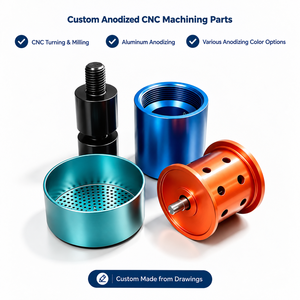
From ODM CNC turning and milling of anodized aluminum calipers to custom motor brackets, our manufacturing partners hold structural tolerances within ±0.005mm. Utilizing high-speed 5-axis DMG MORI machining centers, we support rapid prototyping and scalable mass production runs.

Expert technical answers to common B2B purchasing, engineering, and quality assurance queries.
DOT 4 and DOT 5.1 are glycol-ether based fluids governed by Department of Transportation standards. They feature higher dry boiling points (230°C–260°C) but are hygroscopic (they absorb ambient moisture over time), requiring annual fluid flushes. Mineral oil is non-hygroscopic, does not strip paint or harm alloy bodywork, and offers a longer service life, but requires fluid formulations engineered specifically for extreme cold or heat.
Monoblock calipers are machined from a single solid alloy forging, eliminating the bolts and joining seams found in two-piece designs. Under severe hydraulic pressure (above 10 MPa), two-piece calipers suffer micro-flexing along the bolt axis, causing a spongy lever feel. Monoblock calipers maintain absolute structural rigidity, maximizing braking torque efficiency and pedal/lever responsiveness.
Floating rotors separate the outer stainless steel friction ring from the inner aluminum alloy hub using rivet fasteners (bobbins). When the friction ring expands dramatically under high heat (up to 600°C), the floating rivets allow radial expansion without transferring thermal stress to the hub, completely preventing lateral dish distortion or warping.
Standard production MOQs for custom CNC-machined or forged hydraulic calipers generally start at 100 to 500 sets per batch, depending on custom color anodizing, custom laser engraving, and custom master cylinder piston sizing. Tooling and rapid sample prototyping typical lead time is 15–25 days, followed by 30 days for mass production.
Yes. Modern OEM hydraulic master cylinders feature integrated reed switches, micro-switches, or 3-pin waterproof hall-effect sensors (e.g., Higo connectors). Pulling the brake lever immediately triggers motor cut-off and activates regenerative braking signals to the EV controller before mechanical pads contact the rotor.
Connect directly with our engineering and procurement team to request full CAD drawings, ISO compliance certificates, customized CNC quotes, and comprehensive product catalogs.