A B2B Sourcing Guide & Industry Whitepaper on Global Manufacturer Evaluation, Battery Management Systems (BMS), Custom OEM/ODM Engineering & Procurement Trends
Featured OEM/ODM Lithium Battery Packs
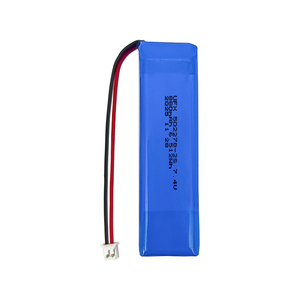
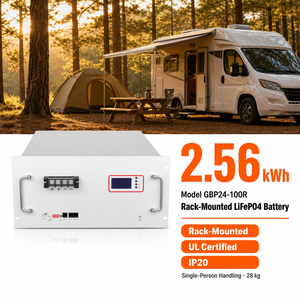
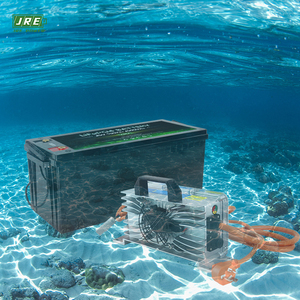
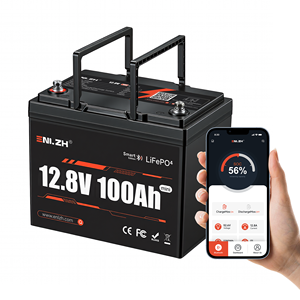
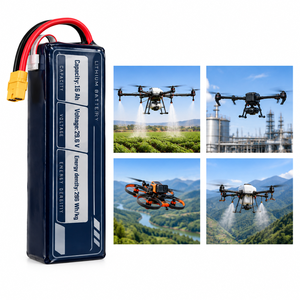
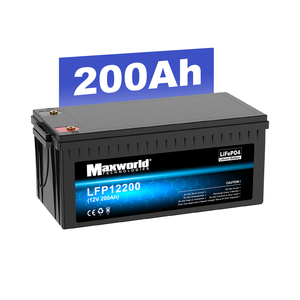
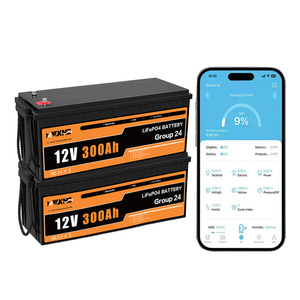
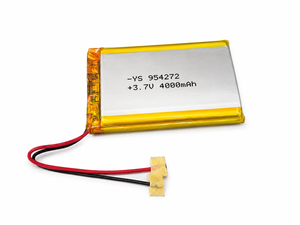
Explore industrial-grade lithium energy storage systems, ternary high-rate drone power units, marine-grade LiFePO4 modules, and micro-battery solutions engineered by certified global tier-1 manufacturers.
How enterprise buyers evaluate Tier-1 manufacturers based on electrochemical cell selection, thermal management architecture, and certified Quality Assurance (QA).
Grade-A Cell Sorting & Capacity Matching
Top-tier exporters utilize automated laser sorting to match cells within strict tolerances: internal resistance (ΔIR ≤ 0.5mΩ), voltage variance (ΔV ≤ 2mV), and capacity matching (ΔC ≤ 0.5%) to guarantee maximum pack lifecycle consistency.
Multilayered Smart BMS Safeguards
Advanced Battery Management Systems integrate CANbus, RS485, and SMBus communications with real-time active cell balancing, over-charge, over-discharge, short-circuit, and dual NTC thermal cutoff protection protocols.
Automated Spot Welding & Busbar Design
High-precision CNC fiber laser welding combined with heavy-duty pure nickel or nickel-plated copper busbars mitigates internal thermal buildup under continuous high-discharge C-rate operations.
Executive Sourcing Analysis: The Global Lithium Battery Manufacturing Landscape
The transition toward renewable energy integration, electromobility, and high-energy portable electronic devices has fundamentally shifted how industrial buyers evaluate Lithium Battery Pack Factories and Exporters. Selecting a manufacturing partner is no longer merely a financial transaction based on cost-per-watt-hour ($/Wh). Instead, enterprise procurement teams require comprehensive audits of electrochemical cell stability, factory automation rates, intellectual property depth, and international safety compliance.
In today's global supply chain, leading OEM/ODM manufacturers are segmented by cell chemistry specialization—predominantly Lithium Iron Phosphate (LiFePO4) for stationary energy storage systems (ESS) and marine applications, versus Nickel Manganese Cobalt (NMC / Ternary) and emerging Semi-Solid-State electrolytes for high-drain, weight-sensitive sectors like FPV drones, electric vehicles, and medical equipment.
Comparative Technical Matrix: Chemistry Selection for Industrial Applications
To help engineers and procurement directors identify the appropriate manufacturing facility, the table below outlines the core performance parameters of primary lithium battery pack configurations:
Battery Chemistry
Nominal Cell Voltage
Gravimetric Energy Density
Cycle Life (80% DOD)
Primary Industrial Use-Case
LiFePO4 (Lithium Iron Phosphate)
3.2V
140 – 180 Wh/kg
4,000 – 8,000 Cycles
Home ESS, Marine Power, Solar Storage, RV & Backup UPS
NMC / NCM (Ternary Lithium)
3.6V – 3.7V
220 – 280 Wh/kg
1,200 – 2,500 Cycles
EVs, Electric Motorcycles, High-Drain Power Tools
Semi-Solid-State Ternary
3.7V – 3.8V
300 – 360 Wh/kg
400 – 1,000 Cycles (High C)
FPV Drones, UAVs, Aerospace, Lightweight Robotics
Lithium Polymer (Pouch Cells)
3.7V
180 – 240 Wh/kg
500 – 1,000 Cycles
Consumer Electronics, Wearables, Medical Devices
Understanding these fundamental electrochemistry traits ensures that B2B buyers ask the right technical questions during OEM design reviews. For instance, while LiFePO4 offers unrivaled thermal stability (runaway threshold >270°C) and superior calendar life (10+ years), Ternary Semi-Solid-State packs provide the extreme discharge rates (burst C-rates up to 50C–100C) needed for autonomous flight platforms.
Future Procurement & Sourcing Trends (2025–2030)
As global regulatory bodies enforce stricter supply chain transparency—such as the European Union’s new Battery Regulation (EU 2023/1542) mandating carbon footprint declarations and digital "Battery Passports"—exporters are radically upgrading their production facilities. Procurement managers must prepare for five pivotal industry shifts:
1. Widespread Integration of Digital Battery Passports
Leading exporters are embedding micro-QR tracking and RFID chips into industrial battery packs. These systems record raw material provenance, recycled cobalt/lithium percentages, state-of-health (SoH) logs, and manufacturing carbon emissions directly to decentralized cloud ledgers.
2. Transition from Liquid to Solid-State & Semi-Solid Electrolytes
Commercialization of semi-solid-state ternary batteries has moved from the laboratory to high-volume OEM assembly lines. By replacing volatile organic liquid electrolytes with hybrid polymer gel or ceramic solid interfaces, manufacturers achieve energy densities surpassing 300 Wh/kg while eliminating traditional dendrite short-circuit fire risks.
3. Smart IoT-Connected BMS with Predictive Analytics
Modern battery packs are evolving into intelligent edge-computing devices. Modern BMS architecture incorporates 4G/5G, Bluetooth 5.0, and CANbus communication protocols, enabling real-time remote monitoring, predictive thermal anomaly detection, and over-the-air (OTA) firmware tuning to optimize power curves dynamically.
4. Extreme Fast Charging (XFC) & Advanced Heat Dissipation
Industrial demand for minimal downtime in logistics (e.g., automated guided vehicles and electric forklifts) is driving the adoption of 2C to 4C fast-charging protocols. Exporters are embedding internal liquid-cooling cold plates and phase-change materials (PCM) directly between prismatic cells to maintain cell temperatures below 45°C during rapid charge cycles.
Top-tier factories are designing battery enclosures with modular screw-lock structures rather than permanent resin potting. This design choice facilitates simplified cell replacement, ease of field maintenance, and seamless recycling at the end of the battery's primary operational life.
When partnering with leading manufacturing entities in China and global export hubs, enterprise clients benefit from an mature, end-to-end industrial ecosystem. Modern OEM/ODM factories offer specialized capabilities designed to shorten product development cycles while upholding rigorous quality standards:
Full-Turnkey Custom Engineering: From mechanical enclosure CAD drafting (metal casing, ABS+PC flame-retardant plastics, IP67 waterproof marine aluminum) to custom PCB layout design for tailored BMS hardware.
Strict Environmental & Mechanical Stress Testing: High-end exporters operate in-house testing laboratories equipped with thermal shock chambers, vibration tables, nail penetration drop testers, salt spray corrosion chambers, and automated battery pack charge-discharge cyclers.
Comprehensive Global Certification Portfolio: Verification of UN38.3 transport safety documentation, MSDS, IEC 62133 (portable safety), UL 1973 (stationary energy storage), UL 2271 (light EV batteries), and CE/RoHS compliance required for smooth customs clearance worldwide.
Flexible Production Scalability: Automated SMT lines for BMS assembly paired with flexible manual assembly bays allow manufacturers to handle both low-volume custom prototyping and high-volume mass production runs without compromising lead times.
Technical and procurement answers addressing international shipping regulations, custom BMS engineering, MOQ, and quality assurance protocols.
Q1: What are the primary criteria for selecting a reliable lithium battery pack manufacturer?
A trustworthy tier-1 factory should possess automated cell matching equipment (sorting voltage, capacity, and IR), hold key international safety certifications (UN38.3, IEC 62133, UL 1973, CE), utilize Grade-A cell brand partners, offer custom Smart BMS design capabilities, and provide transparent warranty terms backed by global product liability insurance.
Q2: What is the difference between LiFePO4 and NMC ternary battery packs for B2B applications?
LiFePO4 (Lithium Iron Phosphate) delivers exceptional thermal safety, non-toxic chemistry, and long cycle lifespans (3,000 to 6,000+ cycles), making it ideal for stationary solar energy storage, RVs, and marine vessels. NMC (Ternary) provides higher gravimetric energy density (more Wh per kg), making it the preferred choice for electric vehicles, drones, and high-portability equipment where space and weight are strictly limited.
Q3: What safety compliance certificates are mandatory for exporting lithium battery packs internationally?
For global air and sea transport, UN38.3 certification along with a valid MSDS (Material Safety Data Sheet) and Safe Transport Report are legally required. For specific regional markets, IEC 62133 (Europe/Global consumer electronics), UL 1973 / UL 9540A (North American energy storage), and CE / RoHS compliance marks are standard prerequisites.
Q4: How does a custom BMS (Battery Management System) protect against thermal runaway?
A custom BMS continuously monitors individual cell voltages, pack current, and temperatures via multiple NTC thermal sensors. If parameters breach safe thresholds, the BMS instantly trips solid-state MOSFETs or high-voltage contactors to isolate the pack, preventing over-charging, short circuits, or thermal cascading across adjacent cells.
Q5: What OEM/ODM customization options can enterprise clients request?
OEM/ODM customization encompasses voltage configuration (3.7V to 720V+), total energy capacity (Ah/kWh), physical dimensions, enclosure material (IP67 aluminum, stainless steel, PC-ABS), communication protocols (CANbus, RS485, SMBus, Modbus), heating pads for sub-zero operation, integrated LCD screens, and custom logo/brand packaging.
Q6: What is the typical Minimum Order Quantity (MOQ) and sample lead time for custom battery packs?
Sample turnaround times generally range from 7 to 15 working days for standard custom builds. Minimum order quantities depend on cell type: small consumer polymer cells may require 1,000–3,000 units, while large industrial LiFePO4 energy storage packs often feature flexible MOQs starting from 1 to 50 units for evaluation.
Q7: How do semi-solid-state ternary batteries differ from conventional liquid lithium batteries?
Semi-solid-state batteries replace the bulk of liquid electrolyte with a polymer-ceramic matrix. This design achieves higher energy density (over 300 Wh/kg), delivers enhanced discharge C-rates under load, minimizes leakage risks, and significantly reduces vulnerability to internal dendrite formation during rapid charging.
Q8: What logistics protocols apply when shipping Dangerous Goods (Class 9) battery shipments?
Lithium batteries rated above 100Wh are classified as Class 9 Dangerous Goods. Exporters must package products in UN-approved certified outer cartons, include hazardous goods labels, ship at a State of Charge (SoC) not exceeding 30% for air freight under IATA rules, and provide full DG documentation for maritime transport.
Ready to Custom Engineering Your Lithium Battery Pack Solution?
Connect with our senior electrochemical engineers and global export technical support team to discuss cell specs, BMS protocols, testing, and volume factory pricing.