Explore state-of-the-art chassis structural elements, radial braking subassemblies, and high-voltage electric powertrain conversion modules engineered for tier-1 motorcycle assembly lines and high-performance vehicle builders.
The global motorcycle chassis manufacturing industry is undergoing a structural paradigm shift. Driven by stricter homologation directives (UNECE Euro 5+, ADR 57/00, and US DOT standards), rising demands for high-speed dynamic stability, and the aggressive expansion of high-voltage electric two-wheelers, chassis frame design has evolved from basic tubular steel assembly into an advanced discipline combining structural metallurgy, robotic TIG welding, FEA topology optimization, and structural casting integration.
Modern motorcycle frames must balance three opposing physical parameters: torsional rigidity (preventing lateral flex during cornering loading), longitudinal flexibility (absorbing bump impacts at extreme lean angles where traditional suspension travel is compromised), and mass minimization (reducing sprung mass to improve power-to-weight ratio).
Below is an engineering-focused analytical benchmark of the leading motorcycle chassis frame factories, evaluating their core metallurgical processes, OEM production capacities, R&D certifications, and structural innovations.
Core Expertise: Cast Backbone Frame Enclosures, Integrated EV Battery Structural Cases, Single-Sided Swingarm Architectures.
Savic Motorcycles leads the industry in structural EV chassis innovation. Operating out of West Melbourne, Australia, Savic's engineering team pioneered the cast backbone chassis frame that doubles as a sealed battery enclosure. By housing a 16.2 kWh energy pack directly within the primary structural backbone, their designs eliminate redundant subframe weight while delivering exceptional torsional stiffness capable of managing 250 Nm of instantaneous electric motor torque.
Key Capabilities: Concentric belt-drive alignment, high-pressure aluminum gravity casting, ADR homologation compliance, direct tier-1 component integration (Brembo M4 radial calipers, Bosch ABS units).
Core Expertise: Moto2 Prototype Chassis, CNC Machined 6061-T6 Aluminum Frames, Custom Racing Subframes.
Renowned in global motorsport engineering, Suter Industries delivers extreme-precision frame assemblies for Moto2, WorldSBK, and specialized OEM prototypes. Utilizing multi-axis CNC milling machines alongside aerospace-grade aluminum alloys, Suter frames are recognized for controlled lateral flex tuning and optimized feedback under high cornering loads.
Core Expertise: Tubular Trellis Frames, 25CrMo4 Chromoly Steel Fabrication, Custom OEM Geometry Design.
Now an integral component of the Royal Enfield technology setup, Harris Performance brings decades of British frame-building heritage. Specializing in high-tensile tubular steel trellis architectures, Harris provides low-volume prototype development and high-volume OEM frame production featuring cold-drawn seamless tubing.
Core Expertise: Hydroformed Steel Trellis, Ultra-lightweight Subframes, Off-Road Composite Structures.
Serving KTM, Husqvarna, and GASGAS, Pierer Mobility operates one of Europe's most automated robot-welding chassis factories. Utilizing laser-cut 25CrMo4 steel tubes and robotized TIG welding, their frame lines ensure exact stress distribution and high impact resilience for extreme off-road and street platforms.
Core Expertise: High-Volume OEM Steel Frames, Automated MIG Robotic Welding, Urban Scooter & Commuter Chassis.
Producing upwards of 1.5 million frame units annually, Shineray operates ultra-large-scale manufacturing infrastructure in Chongqing. Their facilities offer full-process OEM execution—from raw steel tube hydroforming to automated powder coating and CMM coordinate validation.
Core Expertise: High-Pressure Aluminum Die-Cast Frames, Swingarms, Precision Machined Sub-assemblies.
Craftsman Automation serves major global OEMs across Europe and Asia. Equipped with 4000-ton high-pressure die-casting machines, Craftsman produces single-piece aluminum chassis components that reduce part count, eliminate assembly welds, and ensure tight structural tolerances.
Core Expertise: Chassis Geometry Measurement, Structural Alignment Tooling, Custom Billet Frame Fabrication.
GMD Computrack specializes in precision frame geometry analysis and frame straightening systems. Their proprietary digital measurement software establishes absolute baseline reference points for rake, trail, swingarm pivot position, and steering head alignment.
Core Expertise: Robotized Steel & Aluminum Twin-Spar Frames, Heavy-Duty ATV/UTV Chassis Units.
Leveraging advanced European design partnerships, CFMOTO’s chassis manufacturing division builds high-rigidity twin-spar frames for middleweight and heavyweight motorcycles. Their automated lines utilize artificial intelligence vision systems for weld seam inspection.
Core Expertise: Perimeter Pressed Steel Frames, High-Durability Commuter Platforms, Automated E-Coating.
Bajaj operates state-of-the-art press shops capable of forming high-tensile sheet metal into rigid perimeter frames. With integrated cathodic electrodeposition (CED) tanks, Bajaj frames provide exceptional anti-corrosion protection in high-humidity tropical climates.
Core Expertise: Hand-Welded Aluminum Twin-Spar Chassis, Specialized Race Frames, Custom Swingarm Bracing.
A legendary name in Japanese motorcycle racing, Moriwaki engineers specialized chassis components for road and track applications. Their artisan craftsmen utilize manual TIG welding techniques to fabricate lightweight aluminum frames with exceptional fatigue resistance.
Selecting the correct chassis architecture dictates a motorcycle’s dynamic handling signature, tooling costs, and mass production feasibility. The matrix below outlines structural traits across primary manufacturing methods.
| Frame Type | Primary Material | Torsional Rigidity | Tooling Cost | Best Application |
|---|---|---|---|---|
| Cast Backbone / Monocoque | A356-T6 Cast Aluminum | Very High (9.8/10) | High (Die Tooling) | High-Performance EV & Flagship Streetfighters |
| Tubular Trellis | 25CrMo4 Chromoly Steel | High (8.5/10) | Low to Medium | Adventure Touring, Naked Bikes, Custom OEMs |
| Aluminum Twin-Spar | 6061-T6 / Extruded Alloy | Extremely High (9.5/10) | High (Extrusion / Jig) | Supersport & Track Racing Motorcycles |
| Pressed Steel Perimeter | High-Tensile Cold Rolled Steel | Moderate (7.0/10) | Very High (Stamping Dies) | Mass Market Urban Commuters (125cc-400cc) |
| Carbon Fiber Monocoque | Pre-preg Toray T800 Carbon | Maximum (10/10) | Extreme (Autoclave Tooling) | Limited Superbikes & Prototype Racing |
As global OEMs navigate electrification and sustainable manufacturing mandates, chassis procurement strategies are evolving rapidly. Technical buyers and procurement directors should prepare for four key industry trends over the coming decade:
Traditional engine-cradle designs are being replaced in the electric segment by structural battery enclosures. By using die-cast aluminum battery cases as the stressed central member connected to the steering head and swingarm pivot, OEM manufacturers reduce overall part counts by up to 30% and improve assembly throughput.
To accommodate high-torque electric drivetrains without excessive maintenance, chassis designers are moving toward concentric swingarm pivots. Aligning the rear swingarm pivot directly with the drive motor shaft maintains constant belt tension through the entire suspension travel, extending carbon belt life and reducing warranty claims.
Utilizing AI-driven Finite Element Analysis (FEA), chassis engineers can remove excess material from low-stress zones while reinforcing high-stress load paths. The result is organic-looking, highly efficient aluminum castings that deliver targeted lateral flex while trimming unnecessary weight.
Global automotive directives now emphasize low carbon footprints across supply chains. Sourcing chassis components manufactured from recycled secondary aluminum alloys reduces energy consumption by 95% during raw metal extraction, helping OEM brands fulfill corporate ESG commitments.
When partnering with our international manufacturing and engineering network, OEM brands gain access to comprehensive end-to-end design, rapid prototyping, and high-volume component production built on proven tier-1 standards.
Our engineering team performs complete stress mapping, modal frequency simulation, and fatigue testing prior to cutting physical tooling. This cuts prototyping lead times by 40% and ensures steering stem integrity under heavy deceleration load.
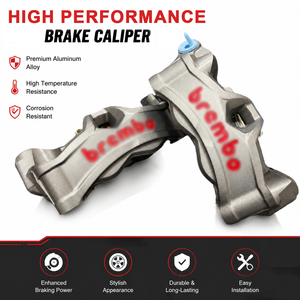
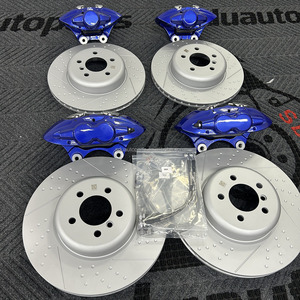
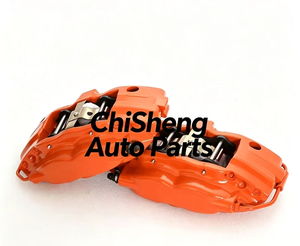
Chassis frames are optimized out-of-the-box to interface with world-class subassemblies—including Brembo monoblock radial brake calipers, Bosch multi-axis IMU sensors, Optibelt carbon drive belts, and custom adjustable suspension linkages.
We assist OEM clients in fulfilling rigorous international standards, including Australian Design Rules (ADR), European Whole Vehicle Type Approval (WVTA), and US DOT federal motor vehicle safety guidelines.
Connect with our structural engineers and supply chain specialists to review your CAD files, request sample tooling quotes, or discuss turn-key chassis manufacturing contracts.
Technical answers to frequent procurement questions regarding tooling, lead times, quality assurance, and custom chassis fabrication.