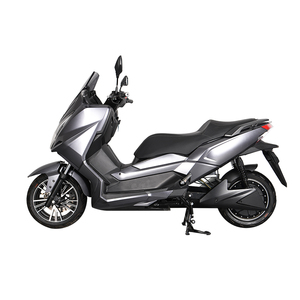
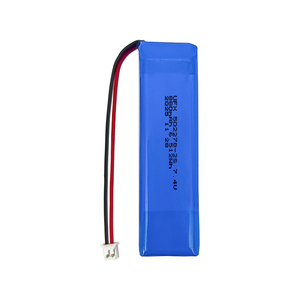
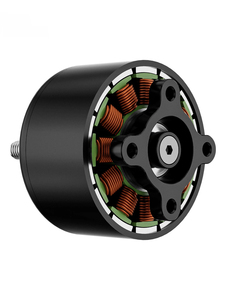
Explore our top-tier manufacturing line-up covering smart electric motorcycles, high-speed mobility systems, lithium power modules, UAV propulsion, and automotive-grade touch dashboards.
The global two-wheeler ecosystem is undergoing a radical technological transition. Traditional mechanical needle gauges and basic segment LCD meters are rapidly giving way to Full-Color TFT (Thin-Film Transistor) LCD Display Units, Smart Telematics Cockpits, and integrated Human-Machine Interface (HMI) Hubs. Driven by the explosive rise of electric urban mobility, high-performance sport motorcycles, and connected commuter fleets, the smart display is no longer a passive speed indicator—it has become the central brain of motorcycle telemetry.
As China solidifies its position as the world's primary manufacturing hub for electric vehicle (EV) components, selecting a qualified China Smart Motorcycle Display Supplier requires far more than comparing per-unit FOB quotes. Global OEMs, brand owners, and tier-1 system integrators must evaluate suppliers across optical bonding capabilities, thermal tolerance, CANbus/LIN protocol engineering, automotive-grade cybersecurity, and long-term firmware OTA (Over-The-Air) update architectures.
This industry whitepaper provides an authoritative analysis of modern motorcycle display architectures, procurement methodologies, technology roadmaps (2025–2030), and key compliance standards necessary to thrive in competitive international markets.
Motorcycle displays operate in extreme environments far more hostile than passenger cars. They are continuously exposed to direct sunlight, torrential rain, ambient temperature swings ranging from -30°C to +85°C, high mechanical vibration, and electromagnetic interference (EMI) from high-power electric drivetrains or ignition coils.
Eliminating the internal air gap between the protective cover glass and the TFT panel via OCA (Optically Clear Adhesive) or LOCA resins. This increases light transmission, prevents internal condensation/fogging, and ensures 1000+ nits sunlight readability.
Seamlessly decoding CAN 2.0B, CAN-FD, and LIN protocols to communicate with the Battery Management System (BMS), Motor Controller (MCU), ABS Unit, and Tire Pressure Monitoring Systems (TPMS) with millisecond latency.
Employing dual-core ARM Cortex-A53 or dedicated MCU hardware to achieve instant-on safety-critical splash displays (<1.5 seconds) while running complex GUI frameworks (Qt, Storyboard, or Android Automotive) in parallel.
When engineering a new two-wheeler model, product managers must balance cost against technical capability. The table below outlines the core hardware parameters typically specified by premier OEMs:
| Feature Parameter | Segment / VA LCD Gauge | Standard IPS TFT Cluster | Smart Connected TFT Cockpit |
|---|---|---|---|
| Display Size Range | 3.0" – 5.5" Custom Segment | 4.3" – 7.0" Resolution (800x480) | 7.0" – 10.25" Ultra-Wide (1920x720) |
| Peak Brightness | 400 – 600 nits (Backlit) | 800 – 1000 nits | 1000 – 1500 nits (Auto-Dimming) |
| Processor Architecture | 8-bit / 32-bit Single MCU | 32-bit Dual Core MCU (ARM M4/M7) | Multi-Core SoC (ARM Cortex-A53/A73) |
| Connectivity Protocols | GPIO, Pulse Signal, RS485 | CAN 2.0B, LIN, Bluetooth 5.0 BLE | CAN-FD, Wi-Fi 5, 4G LTE, BLE, GPS |
| Smart Features | Basic Speed, ODO, Battery Bar | Turn-by-Turn Navigation, Call Alerts | Full Map Mirroring, CarPlay, OTA, App Hub |
| Protection Rating | IP65 Front Surface | IP67 Full Unit Enclosure | IP67 / IP69K Hermetically Sealed |
| Target Application | Budget E-Scooters & Mopeds | Urban Commuter Electric & ICE Motorbikes | Premium Electric Motorcycles & Adventure Touring |
As the global market scales, supply chain directors and engineering procurement teams are focusing on three primary strategic procurement shifts when engaging Chinese manufacturing partners:
Future smart displays are no longer standalone hardware components; they function as telematics control units (TCU). Leading suppliers now embed 4G eSIM modules, GPS/Glonass tracking, and 6-axis IMU sensors directly onto the display mainboard. This enables motorcycle brands to offer end-users smartphone app connectivity, remote anti-theft tracking, automated crash notifications, and real-time battery diagnostics directly from factory default configurations.
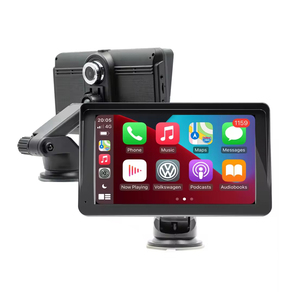
Riders increasingly demand seamless smartphone integration without resorting to dangerous phone mounts. High-brightness 7-inch and 8.8-inch touchscreen display modules supporting wireless Apple CarPlay and Android Auto protocol stacks are experiencing a massive surge in OEM procurement volume. Suppliers offering turnkey software licenses integrated with automotive-grade capacitive touch controllers (operable with thick riding gloves and under wet conditions) hold a decisive competitive advantage.
To navigate shifting global tariff structures and localized assembly regulations (such as EEC certification in Europe or ADR compliance in Australia), global brands require Chinese suppliers to provide modular CKD (Completely Knocked Down) display kits. Modular motherboard designs allow regional assembly plants to swap wireless frequencies, cover lens branding, and wire harness connector types without redesigning the core display optics.
Building world-class motorcycle displays requires strict alignment with automotive quality management systems. Our manufacturing ecosystem integrates principles proven across high-performance motorcycle production—combining precision engineering, liquid cooling heat extraction paradigms, and direct component validation.
Similar to premium electric motorcycle platforms engineered with single-sided swingarms, carbon belt drives, Brembo braking setups, and Bosch ABS calibration, our smart display units are built with tier-one silicon components (NXP, STMicroelectronics, Texas Instruments, and Kyocera TFT displays). This ensures unmatched reliability over decades of aggressive road vibration and severe weather exposure.