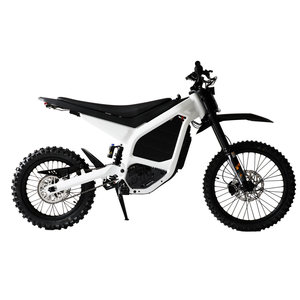
As the global automotive industry shifts towards sustainable electrification, the structural backbone of electric motorbikes, EMTBs, and commercial light EVs requires an unprecedented synthesis of lightweight metallurgy, torsional stiffness, and modular flexibility. As a premier custom EV frame supplier and global exporter, we specialize in high-precision structural fabrication, engineered to meet stringent international standards including ECE-R100, ADR (Australian Design Rules), and ISO 4210 certifications.
This comprehensive industry whitepaper explores advanced frame fabrication methodologies—ranging from aerospace-grade 6061-T6 aluminum hydroforming to structural battery-enclosure integration—providing B2B procurement managers, original equipment manufacturers (OEMs), and custom vehicle designers with the critical insights needed to scale high-performance EV platforms.
Explore our curated range of export-ready electric vehicle components, battery packs, custom frames, and high-performance accessories validated for global compliance.
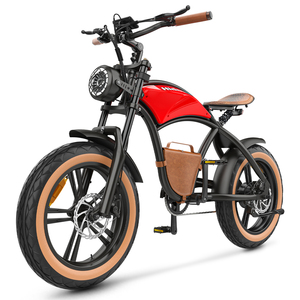
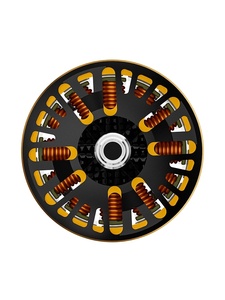
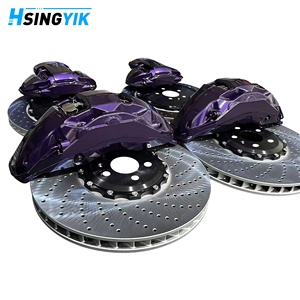
Unlike traditional internal combustion engine (ICE) vehicles, electric platforms impose unique localized stress vectors on chassis architectures. The instantaneous torque delivery from high-output electric motors—often exceeding 250 Nm of shaft torque—exerts immense rotational shear force on motor mounting plates and rear swingarm pivots. Simultaneously, accommodating heavy lithium battery packs (often ranging from 15 kWh to 20+ kWh capacity) requires the frame to double as a dynamic structural load-bearing member.

One of our signature engineering triumphs in custom EV frame design is the integration of cast single-sided swingarms with concentric final-drive geometry. By aligning the pivot axis of the rear swingarm directly with the drive motor pulley, belt tension remains completely constant throughout the entire suspension stroke.
This eliminates drive-belt slop, drastically reduces parasitic friction losses, and enhances the operational lifespan of Optibelt carbon synchronous belts. Combined with monoblock radial brake mounting tabs, our frames deliver uncompromised tracking precision under hard acceleration and high-G cornering.
Utilizing multi-stage hydraulic tube expansion and T6 precipitation heat treating, our aluminum frames achieve an optimized strength-to-weight ratio. Thin-walled extrusions maintain high yield stress while reducing dead weight by up to 38% compared to conventional steel assemblies.
Automated multi-axis robotic welding cells execute continuous pulse-TIG and fiber laser seams with precise heat-affected zone (HAZ) management. Every joint undergoes non-destructive ultrasonic and X-ray testing to ensure complete weld penetration and zero internal porosity.
Transitioning from passive battery trays to structural "Cell-to-Chassis" (CTC) architecture. The cast aluminum backbone acts as both an IP67-sealed enclosure and a high-torsional rigidity box section, protecting pouch/prismatic LiFePO4 cells during side impacts.
| Material Alloy Grade | Yield Strength (MPa) | Tensile Strength (MPa) | Density (g/cm³) | Corrosion Resistance | Primary Application Segment |
|---|---|---|---|---|---|
| 6061-T6 Aircraft Aluminium | 276 MPa | 310 MPa | 2.70 g/cm³ | Exceptional (Anodized) | Electric Motorbikes, Café Racers, Urban E-Motos |
| 7075-T6 High-Stress Alloy | 503 MPa | 572 MPa | 2.81 g/cm³ | Moderate (Requires Coating) | High-Performance Swingarms & Suspension Links |
| 4130 Chromoly Steel Tubing | 460 MPa | 560 MPa | 7.85 g/cm³ | Standard (E-Coated) | Heavy-Duty EMTB, Cargo EVs & Hybrid Treks |
| High-Modulus T800 Carbon Composite | N/A (Fiber Directional) | 2450 MPa | 1.55 g/cm³ | Impervious | Ultra-Lightweight Racing Frames & Fairing Trims |
As commercial fleets, urban commuters, and enthusiast micro-mobility markets mature, global procurement strategies are shifting from off-the-shelf component sourcing to strategic OEM/ODM co-development. Understanding these mega-trends enables fleet operators and vehicle brand managers to optimize procurement lead times and ensure long-term platform scalability.
Procurement leaders are abandoning single-model frame tooling in favor of modular base chassis. A standardized backbone can support varying battery tray sizes, dual or single hub/mid-drive motor setups, and interchangeable headtube rake geometries, reducing tooling amortization costs across multiple vehicle lines by up to 60%.
Next-generation chassis designs incorporate internal fluid channels directly within extruded aluminum frame rails. This allows the chassis to double as a heat exchanger for liquid-cooled motors and high-discharge controllers, eliminating bulky external radiators and streamlining overall vehicle aesthetics.
With regulatory bodies like the EU (ECE-R100) and Australia (ADR) tightening structural crashworthiness standards for L-category electric vehicles, custom frame exporters must now provide dynamic finite element crash modeling, headtube shear stress reports, and certified weld inspection documentation with every shipment.
ESG compliance mandates in North America and Western Europe require supply partners to declare the Scope 1, 2, and 3 carbon intensity of raw frame metals. Procurement strategies increasingly mandate hydro-powered primary aluminum smelting and recycled alloy content to meet zero-carbon footprint goals.
From 3D CAD modeling and dynamic stress simulation to rapid CNC prototyping and full production line stamping, our engineering team partners directly with your R&D department to transform raw concepts into road-legal EV platform reality.
Get a QuoteRooted in high-performance motorcycle heritage—evidenced by Australian design excellence and Melbourne-engineered custom café racer builds—our manufacturing ethos balances artisanal craftsmanship with ISO-certified mass-production consistency.
Every custom frame batch undergoing export undergoes rigorous quality control protocols:


Our frame geometry places the battery mass as low and centralized as possible. By designing a cast backbone frame that doubles as the main structural envelope, rider handling is dramatically improved, reducing turn-in effort while maintaining high-speed stability.
Integrated internal cable routing channels safeguard high-voltage wiring harnesses, CAN-bus communication lines, and hydraulic brake hoses from external abrasion, UV degradation, and environmental moisture ingress.
Detailed answers to common questions asked by automotive procurement officers, structural design engineers, and global EV brand managers.
Partner with a globally trusted custom EV frame supplier and exporter. Connect directly with our chief structural engineers to review your 3D CAD files, request sample quotes, or schedule a virtual manufacturing audit.
Get a Quote