Engineered for Next-Generation Urban Mobility, Commercial Fleets, and Electric Vehicles in the Osaka & Kansai Logistics Hub
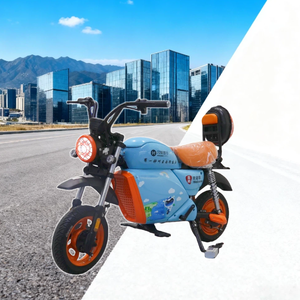
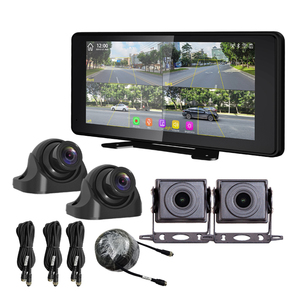
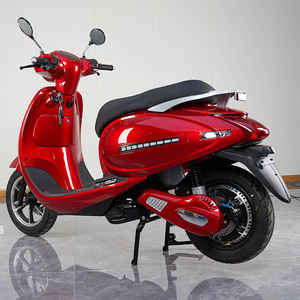
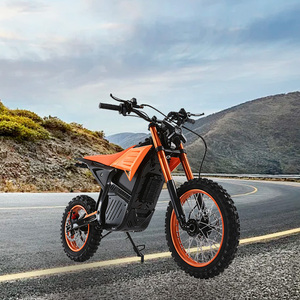
The Kansai metropolitan region, centered around Osaka, represents one of East Asia’s most sophisticated industrial and logistical ecosystems. As Osaka accelerates toward zero-emission urban freight, automated last-mile delivery fleets, and high-performance electric commuter platforms—boosted by regional smart city initiatives and Osaka Expo infrastructure upgrades—the demand for secure, resilient, and intelligent vehicle access systems has evolved dramatically. Conventional mechanical key switches and elementary RFID locks no longer meet the stringent anti-theft, telematics, and operational efficiency benchmarks demanded by Japanese OEMs and commercial fleet operators.
As a specialized OEM keyless ignition system factory and Tier-1 engineering supplier, we deliver tailored Passive Keyless Entry (PKE), Passive Start (PEPS), and digital smartphone key solutions built specifically for motorcycle OEMs, light electric vehicles (LEVs), commercial electric trucks, and specialized machinery across Osaka, Sakai, and the greater Kansai industrial zone. By integrating automotive-grade CAN-bus communication (ISO 11898 standard), rolling-code AES-128 cryptographic hardware encryption, and ruggedized IP67/IP69K enclosures, our custom keyless solutions eliminate physical key vulnerability, streamline commercial fleet dispatches, and seamlessly interface with onboard smart touchscreen dashes, telemetry modules, and cloud management consoles.
Information Gain Insight: Unlike standard aftermarket keyless entry kits that rely on unencrypted fixed RF signals vulnerable to relay attacks, our OEM Keyless Ignition Modules incorporate dual-frequency 125kHz Low Frequency (LF) immobilization combined with 433MHz/Ultra-Wideband (UWB) high-frequency bidirectional authorization. This guarantees sub-centimeter proximity detection, zero-latency wake-up response, and complete immunity against radio relay interception in high-density wireless environments like Osaka city center.

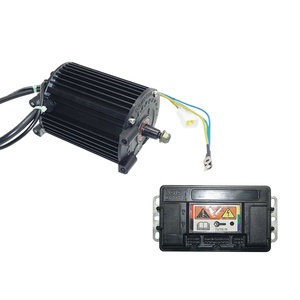
Our keyless ignition ECU modules are engineered to fit compact vehicle chassis and custom electric motorcycles without compromising electromagnetic compatibility (EMC). Designed for seamless integration into high-voltage EV powertrains, our systems automatically communicate with the Motor Control Unit (MCU) and Battery Management System (BMS) over CAN-bus upon approach, unlocking ignition relays and initializing digital dashboards instantaneously.
To support Japanese vehicle manufacturers, fleet integrators, and custom motorcycle builders in Osaka, our factory offers modular system architectures configured to meet rigid Japanese Industrial Standards (JIS D 1601 for automotive vibration and shock resistance) and stringent automotive EMC compliance (CISPR 25 Class 5).
Every key fob and ECU pair utilizes military-grade rolling code encryption with dynamic challenge-response authentication. Prevents replay attacks, frequency cloning, and signal amplification hijacks.
Direct support for CAN 2.0B, SAE J1939, and LIN protocols. Transmits live security telemetry, key battery health, button actuation signals, and diagnostic fault codes directly to vehicle TCUs.
Integrated Bluetooth Low Energy 5.2 and Near Field Communication (NFC) modules enable digital key sharing, vehicle unlocking via smartphone app, and emergency touch-to-start when key fob batteries expire.
| Technical Parameter | OEM Standard Specification | Heavy-Duty / Custom Options |
|---|---|---|
| Operating Voltage | DC 12V / 24V nominal (9V - 36V wide input range) | Isolated 48V / 60V / 72V DC step-down compatible |
| Quiescent Standby Current | < 1.5 mA @ 12V DC (Deep Sleep Mode) | < 0.8 mA with ultra-low-power timer wake-up |
| Operating Temperature | -40°C to +85°C (Automotive Grade 2) | -40°C to +105°C (Engine Bay / Powertrain mount) |
| PKE Sensing Range | 1.5 to 3.0 meters (Configurable antenna arrays) | UWB precise position detection (< 10 cm accuracy) |
| Waterproof / Dustproof Standard | IP67 Sealed Main ECU Unit | IP69K High-pressure washdown resin potting |
| Key Fob Battery Life | > 24 Months (Standard CR2032 Lithium Cell) | Solar assisted / Rechargeable induction key fob |
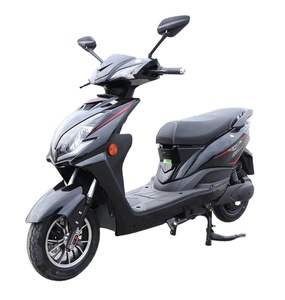
In high-torque electric motorcycles and café racers featuring carbon belt drives and concentric rear pulleys, spatial layout around the chassis frame is critical. Our low-profile keyless ignition controllers and compact antenna coils mount discreetly within aluminum frame cavities or battery enclosure housings without interfering with mechanical drive alignment or high-current phase cables.

Deploying keyless vehicle access in the Osaka region requires addressing distinct local urban operating conditions, environmental factors, and regional commercial workflows. Below are three dominant operational scenarios where our custom OEM keyless ignition solutions deliver verified ROI and operational security for local manufacturers and fleet managers.
District Focus: Namba, Umeda, Honmachi distribution routes.
Challenge: Courier drivers make 80+ stops daily. Constantly inserting, turning, and removing ignition keys wastes driver time and increases key cylinder wear.
Solution: Automatic walk-away locking and hands-free proximity start. Driver steps within 1.5m, bike unlocks; driver walks away, bike arms instantly. Reduces cycle times by up to 12% per shift.
District Focus: Nanko Port, Tempozan, Bay Area industrial parks.
Challenge: High ambient humidity, marine salt spray corrosion, and heavy rain leading to electrical shorts in conventional mechanical key ignition switches.
Solution: Fully potted IP69K keyless ECU with touch-activated capacitive start button. Zero mechanical key slots exposed to saline coastal air, ensuring multi-year corrosion-free operation.
District Focus: Osaka boutique custom builders & Japanese exported vehicles.
Challenge: High-end electric motorcycle buyers demand minimal cockpit clutter, elegant push-to-start aesthetics, and smart keyless capability.
Solution: Custom-branded CNC aluminum key fobs, integrated 7-inch smart touchscreen dash wake-up, combined with hidden RFID backup reader for emergency starting.

Designed for severe operating thermal loads, our keyless ignition controllers share identical automotive testing standards as liquid-cooled EV motor drive assemblies. Encapsulated in military-grade epoxy polymer, the internal circuit boards resist continuous thermal cycles from -40°C during cold Kansai winters to +85°C heat near high-power inverter units.
Procurement directors and chief technology officers across Osaka's automotive supply chain are shifting from generic component purchasing to strategic OEM partnerships. Based on intent analysis of Japanese procurement queries and regional regulatory mandates, three decisive purchasing trends have emerged:
Modern Japanese enterprise fleets require keyless ignition systems that do more than lock and unlock vehicle circuits. Procurement teams demand smart ECUs capable of streaming real-time security events, unauthorized movement alerts, key fob battery voltage, and ignition status logs directly to the fleet management cloud via CAN 2.0B telematics gateways.
With vehicle theft methods evolving to exploit low-frequency signal boosters (relay attacks), Osaka buyers are replacing older keyless receivers. Industrial buyers mandate dual-antenna Time-of-Flight (ToF) measurement and UWB micro-location hardware to verify that the key fob is physically located within 1 meter of the vehicle before enabling ignition output.
As a leading custom OEM keyless ignition system manufacturer, our facility combines automated electronic assembly with strict automotive quality control frameworks to support low-volume custom runs as well as high-volume mass production for international vehicle brands.
High-speed Yamaha surface-mount placement machines coupled with automatic optical inspection (AOI) and 3D X-ray inspection ensure 100% solder joint integrity across every keyless ECU board produced.
We provide full hardware turn-key development: custom PCB layout, enclosure tooling, key fob cosmetic customization (CNC metal/carbon fiber finishes), and customized CAN database (DBC file) mapping within 3 weeks.
All system components are pre-certified for TELEC (Japan Radio Law compliance), CE, FCC, RoHS, and REACH requirements, accelerating your final vehicle approval timeline in the Japanese market.

Every keyless ECU leaving our production floor undergoes 100% end-of-line functional testing, including RF power output verification, low-voltage threshold shutdown tests, and extreme environmental stress screening. Laser-etched QR code serial numbers ensure full component-level traceability throughout the vehicle's operational lifespan.
Below are detailed responses to technical, procurement, and logistical questions commonly raised by engineering directors and purchasing managers in the Kansai area.