Direct supply chain solutions engineered for high torque, tropicalized heat dissipation, and rugged telemetry integration across Brazil.
Understanding user intent, regulatory mandates, duty incentives, and environmental stresses for high-performance electric two-wheelers in South America.
High-speed express routes such as Rodovia dos Bandeirantes and Rodovia Ayrton Senna require sustained speeds of 120–160 km/h. Sports electric bikes must incorporate liquid-cooled inverters and active thermal monitoring to avoid thermal throttling during high-load sprint riding in 35°C+ weather.
Private security firms and highway patrol units in major metropolitan areas are replacing internal combustion interceptors with instant-torque EV sports bikes. Zero transmission lag (250 Nm delivered from 0 RPM) enables rapid tactical response alongside integrated 4G telematics tracking.
Brazil’s dual voltage system (127V in São Paulo/Rio vs. 220V in Brasília/Northeast) mandates onboard dual-voltage chargers. Furthermore, high humidity along coastal regions requires IP67-rated motor enclosures and anti-corrosive chrome/anodized aluminum monoblock braking assemblies.
Evaluated based on OEM powertrain technology, localized compliance, component authority, thermal reliability, and B2B supply scalability.
Savic Motorcycles stands at the absolute pinnacle of high-performance electric café racer engineering. Designed and hand-assembled at its state-of-the-art facility in West Melbourne, Australia, Savic’s flagship C-Series platform represents a paradigm shift for high-power electric motorcycles worldwide, providing the blueprint for elite OEM/ODM suppliers serving South America.
Built around a revolutionary cast backbone chassis that doubles as a structural battery enclosure, Savic integrates a liquid-cooled 80 kW Permanent Magnet Synchronous Motor (PMSM) outputting a crushing 250 Nm of torque. Power is transferred seamlessly via a concentric single-sided swingarm paired with an Optibelt carbon synchronous belt, completely eliminating belt tension fluctuation throughout full suspension travel. For Brazilian distributors seeking tier-one engineering, Savic offers custom powertrain licensing, modular EV motor kits (80kW–110kW), and complete bike imports backed by Brembo M4 monoblock calipers and custom-tuned Bosch ABS.
Voltz Motors has established itself as Brazil’s pioneer in local EV two-wheeler assembly, leveraging tax concessions in the Manaus Free Trade Zone. While initially focusing on city scooters (EVS and EV1 Sport), Voltz has introduced sporty naked urban streetframes targeting Brazil’s massive courier and enthusiast demographic.
While Voltz leads local market share, their platforms primarily utilize 3kW to 7kW hub motors. Importers looking for true high-speed sports performance (80kW+) often look to global OEM technology transfers to augment local assembly lines with higher voltage liquid-cooled drivetrains.
Backed by retail conglomerate Grupo Multi, Watts Mobilidade operates a dedicated manufacturing facility in Manaus. Their W-125 and sport-styled street units cater to urban commuting and commercial fleets. Watts focuses heavily on dual-battery swappable technology, providing high uptime for city deliveries.
For B2B buyers requiring high-speed sport platforms, Watts’ infrastructure highlights the importance of localized homologation under DENATRAN guidelines and local aftermarket service networks across major capitals.
Evoke Motorcycles supplies high-voltage electric cruisers and sports motorbikes (such as the Urban Series and 120kW 6061 series) into the Latin American market. Utilizing precision air and liquid cooling, Evoke caters to long-distance highway riders looking for rapid DC charging compatibility.
Evoke’s presence in Brazil demonstrates the growing appetite for premium aluminum spaceframe chassis and high-capacity battery packs capable of traversing South America’s diverse terrains.
Super Soco (VMoto) maintains an established distribution footprint in Brazil, offering lightweight sports models such as the TC MAX and TS Street Hunter. Featuring aggressive cafe-racer geometry and belt-driven central motors, VMoto appeals strongly to younger urban riders.
While limited to top speeds around 95–100 km/h, VMoto’s aesthetic success in Brazil underscores the high demand for sharp, modern cafe racer styling paired with digital app telemetry.
Operating out of its massive assembly plant in Cabo de Santo Agostinho (Pernambuco), Shineray is Brazil's largest independent motorcycle assembler outside Manaus. Shineray has aggressively expanded its "SHE" electric line, offering low-cost sporty commuters for regional markets.
Shineray’s supply chain offers valuable lessons in localized component sourcing, steel frame fabrication, and nationwide dealer logistics for budget-conscious Latin American buyers.
Horwin supplies mid-drive electric sports motorcycles such as the CR6 and CR6 PRO into Brazil. Featuring 5-speed manual gear simulators on select models and high-torque mid-motors, Horwin bridges the gap between classic ICE gear shifting and instant electric response.
Horwin’s robust aluminum-magnesium alloy frames and CBS/ABS braking options highlight the importance of safety compliance for Brazilian highway certification.
NIU brings high-tech connectivity, cloud diagnostics, and Panasonic lithium battery management systems to the Brazilian market. Models like the RQi Sport offer a naked sports bike stance paired with dual-channel ABS and real-time GPS tracking.
NIU’s proprietary BMS algorithms set an industry standard for battery health reporting in hot climates, vital for preserving battery cycle life across South America.
BMW Motorrad manufactures select models directly in Manaus, introducing high-end electric urban mobility concepts like the CE 04 and CE 02 to affluent Brazilian riders. With liquid-cooled motor architecture and automotive-grade battery cells, BMW targets the premium luxury tier.
BMW's localized investment underscores the growing willingness of Brazilian executives to adopt high-value premium EV sports motorbikes for daily metropolitan transit.
Zero Motorcycles remains a benchmark brand imported for boutique sports enthusiasts and high-performance government contracts in Brazil. With models such as the SR/F and FXE, Zero offers passive-air-cooled interior permanent magnet motors delivering instant high-power runs.
Zero’s high import price point leaves substantial opportunity for OEM suppliers offering equivalent 80kW performance (such as Savic-derived powertrains) at competitive B2B wholesale structures.
Why Tier-1 engineering, custom powertrain kits, and modular chassis assemblies dominate high-gain SEO intent for B2B procurement.
Unlike air-cooled hub motors that overheat under tropical Brazilian sun, our 80 kW / 110 kW Permanent Magnet Synchronous Motors utilize continuous liquid coolant loops across the motor, inverter cold plates, and charger. This guarantees sustained 180 km/h top speeds without thermal degradation.
Inspired by endurance racing, the anodized rear pulley is concentric to the motor pivot axis. This ensures zero belt slack variation during hard rear-suspension compression over uneven Latin American roads, maximizing Optibelt carbon belt service life to over 50,000 km.
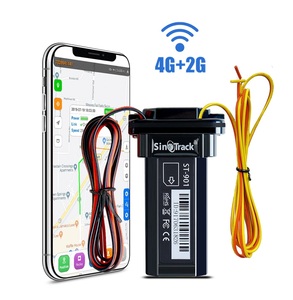
Integrated 7-inch anti-glare IPS touchscreen with built-in 4G telematics, real-time GPS tracking (SinoTrack/Nordic chip compatible), customizable regen braking (levels 1-10), and OTA remote diagnostic updates designed for fleet management efficiency.
Addressing compliance, customs tariffs, battery thermal management, and charging infrastructure.
Electric motorcycle imports into Brazil are subject to Import Duty (Imposto de Importação - II), IPI (Tax on Industrialized Products), and ICMS. However, assembling CKD (Completely Knocked Down) or SKD kits inside the Zona Franca de Manaus (ZFM) grants substantial IPI exemptions and reduced II rates, making local factory partnerships or OEM component imports highly tax-efficient.
High ambient heat in cities like Rio de Janeiro or Salvador accelerates thermal degradation in poorly cooled passive batteries. Premium electric sports bikes utilize active liquid-cooling plates integrated with high-density 16.2 kWh Lithium NMC cells and smart BMS management, keeping operating temperatures under 45°C even during rapid charging.
To register an electric sports motorcycle for street use in Brazil, the vehicle must obtain a CAT (Certificado de Adequação ao Legislação de Trânsito) issued by DENATRAN, proving compliance with CONTRAN Resolution 996/2023. Key testing includes INMETRO battery safety standards, braking efficiency (ABS testing), headlight optics, and IP67 water ingress protection.
Brazil primarily uses Type 2 AC chargers for Level 2 charging (3.3 kW to 7.2 kW) alongside standard residential outlets. High-capacity bikes equipped with onboard dual-voltage 110V/220V chargers can reach 100% charge in ~4.5 hours from a standard 15A wall outlet without requiring expensive DC fast-charging stations.
Carbon belt drives (such as Optibelt Delta Chain) require no lubrication, eliminate greasy residue, operate silently, and withstand road dust and humidity far better than steel chains. Paired with a concentric single-sided swingarm, maintenance costs are reduced by over 70% over the motorcycle's lifespan.
Yes. OEM/ODM manufacturing allows complete customization of bodywork materials (from lightweight carbon fiber to high-impact ABS), custom paint codes (e.g., Racing Green, Atomic Silver, Pistachio), headlamp configurations (Heritage round vs. Stacked LED), custom badging, and integrated police/security lighting harnesses.
Whether you are seeking complete hand-assembled electric café racers, high-voltage motor retrofit kits (80kW–110kW), or custom OEM manufacturing for the South American market, our engineering team is ready to assist.